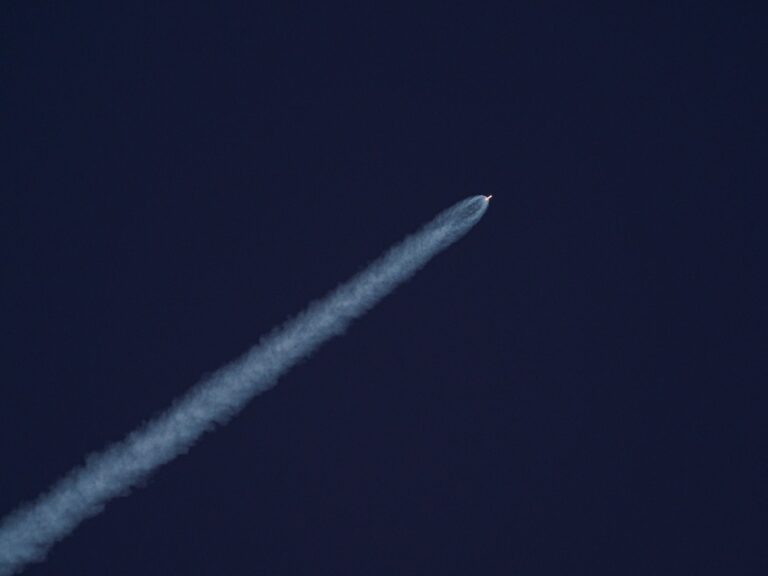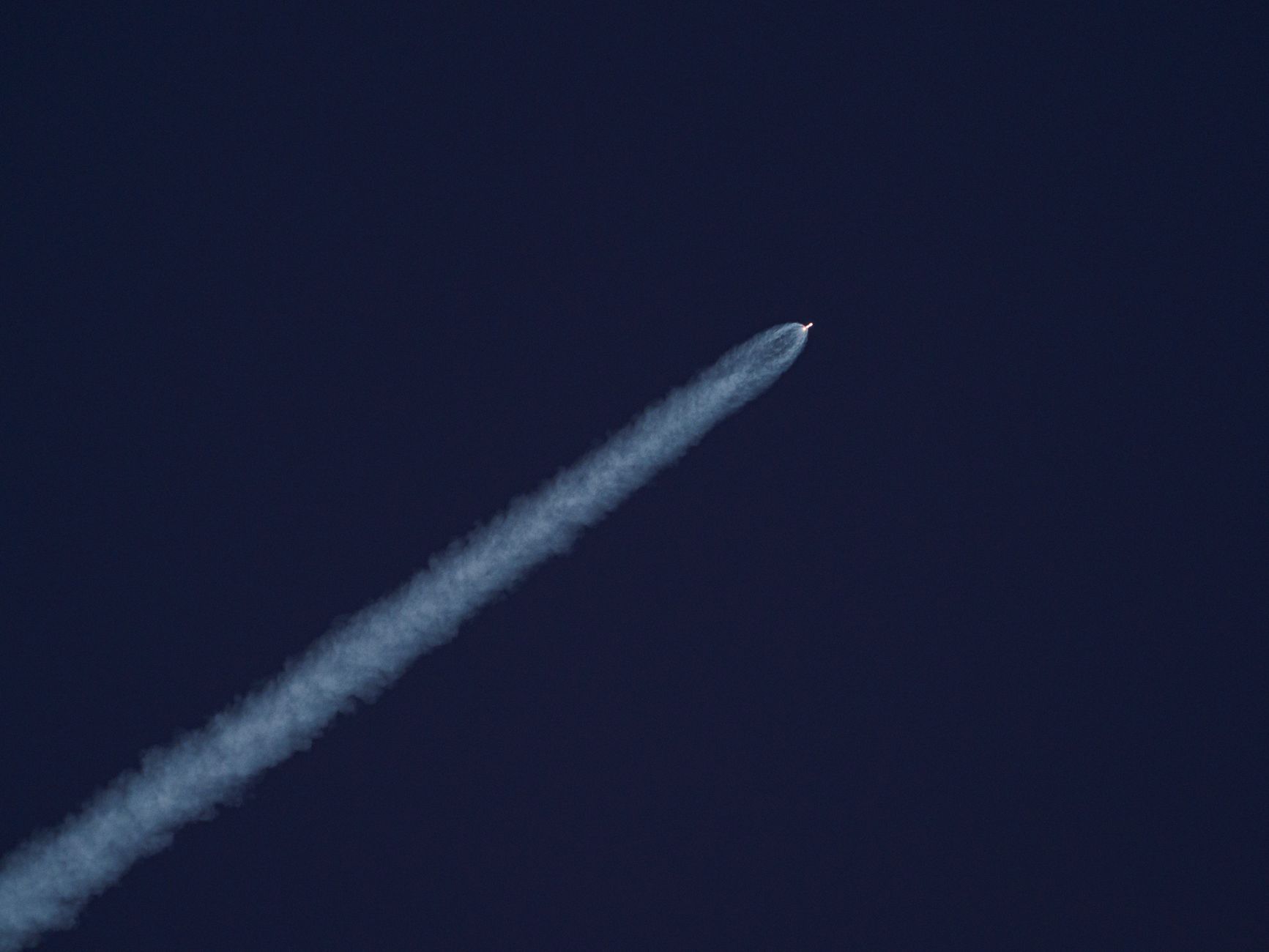
The ISRO GSLV-F17 launch marks a significant achievement for India in space exploration. This event showcases the country’s growing capabilities in satellite technology and space missions.
Overview of the GSLV-F17 Launch
The recent ISRO GSLV-F17 launch has been hailed as a significant milestone in India’s space exploration journey. This launch, which took place on a favorable day, marks another achievement for the Indian Space Research Organisation (ISRO) as it successfully deployed the EOS-05 satellite into orbit.
Prime Minister Narendra Modi expressed his pride in ISRO’s accomplishments, emphasizing the importance of this event for the nation. The GSLV-F17 rocket, equipped with advanced technology, is set to enhance various sectors, including agriculture, disaster management, and urban planning.
The satellite, EOS-05, is designed for earth observation and will provide critical data for a range of applications. This mission not only demonstrates India’s growing capabilities in space technology but also strengthens its position on the global stage.
In summary, the GSLV-F17 launch represents a monumental moment for India’s space endeavors. As the nation continues to innovate and expand its reach into space, the successful deployment of EOS-05 serves as a testament to ISRO’s commitment to excellence and its role in improving the lives of millions.
Significance of EOS-05
The launch of the GSLV-F17, which successfully carried the Earth Observation Satellite (EOS-05), marks a significant achievement for the Indian Space Research Organisation (ISRO) and the nation as a whole. The EOS-05 is designed to enhance India’s capabilities in weather forecasting, agricultural monitoring, and disaster management.
One of the key features of the EOS-05 is its advanced imaging technology, which allows for high-resolution data collection. This capability is crucial for various applications, including:
- Atmospheric studies: Providing valuable insights into weather patterns and climate change.
- Agricultural monitoring: Helping farmers make informed decisions based on real-time data.
- Disaster management: Assisting authorities in responding effectively to natural calamities.
The significance of the EOS-05 extends beyond its immediate applications. It represents a leap forward in India’s space technology and its commitment to harnessing space for the benefit of society. As PM Modi highlighted, the GSLV-F17 launch carrying EOS-05 is not just a technological triumph; it is a proud moment for India, underscoring the country’s growing prowess in space exploration and its potential to contribute significantly to global scientific endeavors.
PM Modi’s Reaction
Prime Minister Narendra Modi expressed his enthusiasm following the successful launch of the ISRO GSLV-F17, which carried the Earth Observation Satellite EOS-05 into orbit. In a statement, he described the event as a “proud moment for India,” highlighting the significance of advancements in space technology for the nation. Modi emphasized that this launch marks another milestone in India’s journey towards becoming a global leader in space exploration.
In his address, he pointed out that the GSLV-F17 mission not only showcases ISRO’s capabilities but also underscores the importance of satellite technology in enhancing various sectors such as agriculture, disaster management, and environmental monitoring. The Prime Minister noted that the EOS-05 will play a crucial role in providing accurate data to aid in these areas, directly benefiting the lives of millions of citizens.
Moreover, Modi expressed confidence that the successful launch would inspire future generations to pursue careers in science and technology. He reiterated the government’s commitment to supporting ISRO and its endeavors, ensuring that India continues to make significant strides in space exploration. As the nation celebrates this landmark achievement, PM Modi’s reaction reflects the collective pride felt by Indians across the country.
Technological Advancements in ISRO
The recent ISRO GSLV-F17 launch marks a significant milestone in India’s space exploration capabilities, showcasing the country’s growing technological advancements. This launch is particularly noteworthy as it highlights ISRO’s commitment to developing indigenous technologies that bolster its position in the global space community.
One of the most remarkable aspects of the GSLV-F17 is its enhanced payload capacity, which allows for more extensive and sophisticated satellite deployments. This capability not only strengthens India’s ability to conduct scientific research but also enhances communication and data services for various sectors.
Moreover, the GSLV series has benefited from continuous improvements in launch vehicle design and efficiency. For instance, advancements in propulsion systems have enabled ISRO to achieve greater reliability and reduced costs, making satellite launches more accessible and frequent.
In addition to hardware advancements, ISRO’s focus on software and mission planning has led to streamlined operations, ensuring that launches are executed with precision. These developments position India as a key player in the international space arena, paving the way for future collaborations and innovations.
The successful execution of the GSLV-F17 launch demonstrates ISRO’s ability to adapt and thrive in a rapidly evolving field, marking a proud moment for the nation.
Future of Indian Space Missions
The successful launch of the ISRO GSLV-F17 marks a pivotal moment for the future of Indian space missions. As India continues to assert its place in the global space arena, this mission enhances the country’s capabilities in satellite launch technology and Earth observation.
Moving forward, ISRO has ambitious plans that include a series of high-profile missions aimed at enhancing communication, navigation, and exploration. Key upcoming projects include:
- Gaganyaan Mission: India’s first manned spaceflight, which aims to send astronauts to low Earth orbit.
- Chandrayaan-3: A mission to further explore the Moon, building on the lessons learned from Chandrayaan-2.
- Mangalyaan-2: A second mission to Mars, focusing on advanced scientific research and exploration.
These initiatives reflect ISRO’s commitment to advancing space technology and enhancing India’s position in the global space landscape. The GSLV-F17 launch not only showcases ISRO’s technical prowess but also fuels aspirations for international collaboration and commercial opportunities in space. As India looks to the stars, the future of its space missions appears brighter than ever.
International Impact of India’s Space Achievements
The successful launch of the ISRO GSLV-F17 has not only been a milestone for India but has also garnered significant international attention. As countries around the world ramp up their space exploration efforts, India’s advancements in space technology mark a pivotal moment in the global arena.
International responses to the GSLV-F17 launch highlight the growing recognition of India as a formidable player in space science. The successful deployment of the EOS-05 satellite has captivated global interest, showcasing India’s capability to deliver sophisticated technology for Earth observation.
Countries such as the United States and members of the European Space Agency have acknowledged India’s achievements, often citing collaboration opportunities in various sectors, including climate monitoring and disaster management. This collaboration is critical, given the pressing global challenges, such as climate change and resource management.
- The launch enhances India’s credibility in international space forums.
- It opens avenues for partnerships in research and technology.
- It reinforces India’s commitment to peaceful and progressive use of space.
With the GSLV-F17 launch, India not only strengthens its position in space but also sets a benchmark for emerging space-faring nations.
The ISRO GSLV-F17 launch marks a significant milestone in India’s space exploration efforts. With its successful deployment, the ISRO GSLV-F17 launch showcases the country’s growing capabilities in satellite technology.
Photo by Dirk Schuneman on Pexels
References
You might also like
- YouTube Account for Sale: Choosing a Strong Foundation for Long-Term Content Growth
- Repair or Upgrade? Deciding the Best Option for Your Desktop PC
- Casino Codes – Find the Best Bonus Codes for Online Casinos
About the Author