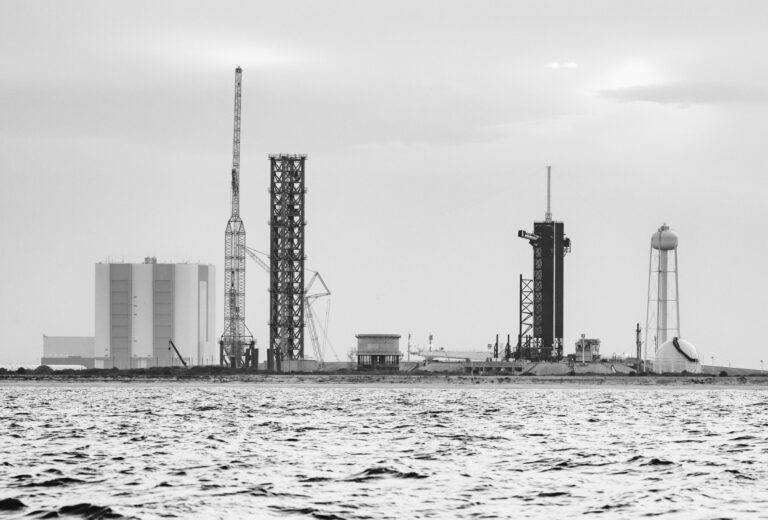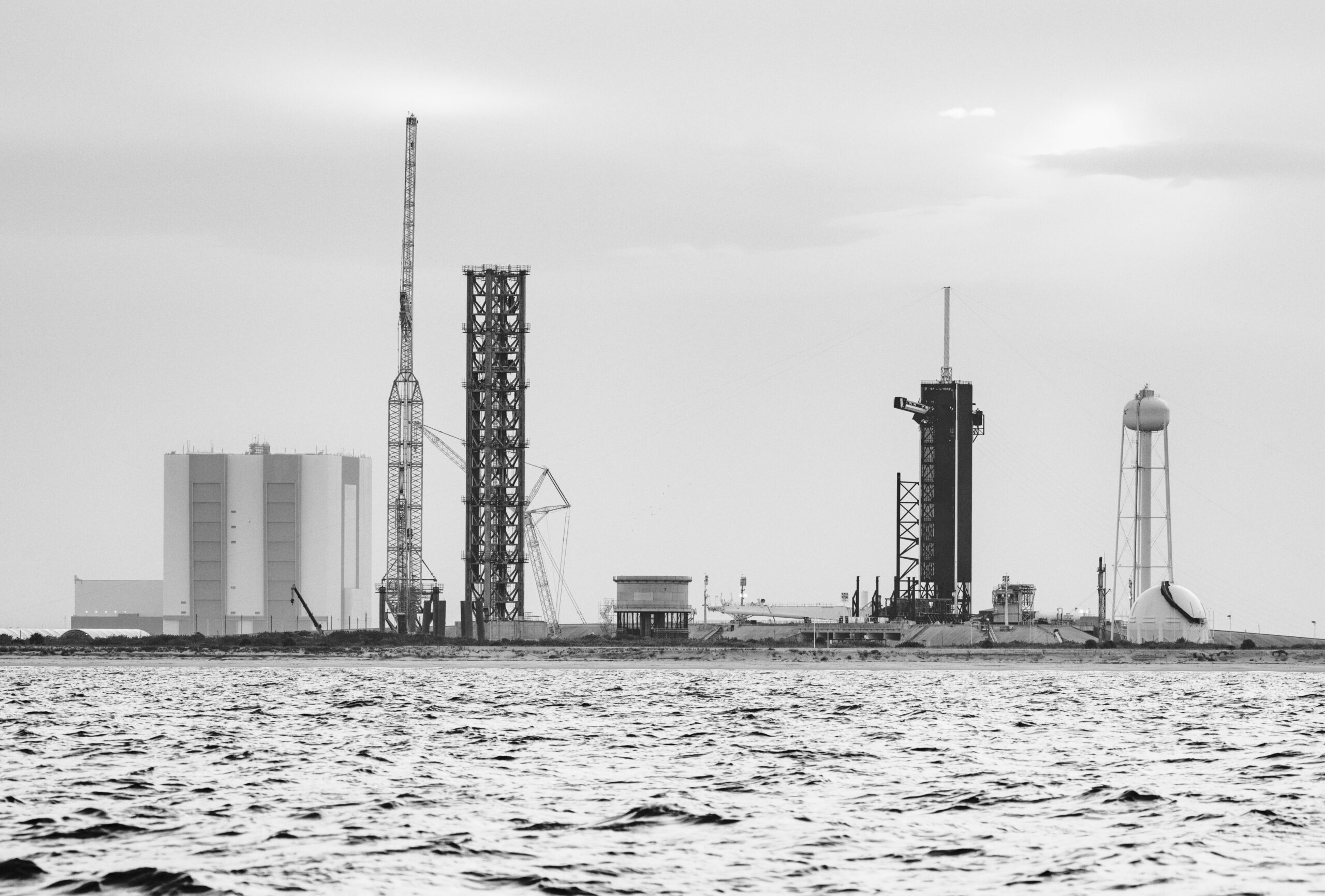
SpaceX Starship launch has successfully reached orbit for the first time, a significant achievement in the realm of space exploration. This milestone showcases advancements in rocket technology and potential future missions.
Overview of SpaceX’s Recent Achievement
SpaceX has recently achieved a significant milestone with the successful launch of its Starship into orbit for the first time. This historic event marks a pivotal moment in the company’s ambitious plans for space exploration and travel. The Starship spacecraft, designed for missions to the Moon, Mars, and beyond, represents the culmination of years of development and testing.
The launch of the SpaceX Starship was met with enthusiasm and anticipation from the space community and the public alike. Key features of this milestone include:
- Innovative Technology: The Starship is equipped with cutting-edge systems that enhance its capabilities for deep-space missions.
- Environmental Considerations: SpaceX has focused on creating a sustainable and reusable spacecraft that minimizes space debris and reduces costs.
- Future Missions: With this launch, SpaceX aims to pave the way for future crewed missions to the Moon and Mars, expanding humanity’s reach into the cosmos.
As SpaceX continues to push the boundaries of aerospace technology, the successful orbit of the Starship is being celebrated as a landmark achievement that could redefine space travel.
The Significance of Starship’s First Orbit
The recent SpaceX Starship launch marks a pivotal moment in the realm of space exploration. This milestone not only showcases the technological advancements made by SpaceX but also emphasizes the potential for future interplanetary travel. Achieving orbit is a significant achievement that places Starship at the forefront of aerospace innovation.
With the successful launch, SpaceX has demonstrated its capacity to develop fully reusable spacecraft, which could revolutionize the economics of space travel. The implications of this accomplishment are vast, including:
- Increased Accessibility: Lowered costs for launching payloads into space.
- Future Missions: Enabling ambitious missions to the Moon, Mars, and beyond.
- Commercial Opportunities: Opening doors for private sector involvement in space exploration.
As the world watches, the significance of Starship’s first orbit cannot be overstated. It represents not just a technological triumph but a leap forward in humanity’s quest to explore the cosmos. The success of this launch sets a precedent, inspiring future generations to dream bigger and reach farther into the universe.
Future Implications for Space Travel
The recent SpaceX Starship launch marks a pivotal moment in the evolution of space travel, potentially redefining the future of interplanetary exploration. As SpaceX continues to refine its technology, the implications of this milestone extend far beyond Earth’s atmosphere.
One significant aspect of the Starship’s capabilities is its potential for reusability. This feature could lead to reduced costs for space missions, making it feasible for both governmental and commercial enterprises to engage in space exploration. As more companies enter the arena, competition could spur innovation at an unprecedented pace.
Moreover, the successful launch opens doors to ambitious missions, including plans for lunar landings and eventual Mars colonization. This could inspire a new generation of scientists and engineers, fostering interest in STEM fields and leading to advancements that benefit life on Earth.
Key stakeholders in the aerospace industry are already considering partnerships with SpaceX to leverage the advancements made during the Starship launch. As humanity stands on the brink of an era where space travel becomes commonplace, the implications of this achievement are profound and far-reaching.
- Cost Reduction: Reusable technology could lower mission costs.
- New Opportunities: Collaborative efforts among companies could accelerate innovation.
- Future Missions: Lunar and Martian ambitions now seem more achievable.
Technological Innovations Behind Starship
The recent SpaceX Starship launch has showcased several groundbreaking technological innovations that set this spacecraft apart from its predecessors. Key advancements include:
- Raptor Engines: The Starship is powered by the next-generation Raptor engines, which utilize methane and liquid oxygen, offering improved efficiency and reusability.
- Stainless Steel Structure: The spacecraft’s exterior is made of a durable stainless steel alloy, providing enhanced heat resistance during re-entry and a sleek, polished finish.
- Integrated Systems: Starship’s design features integrated avionics and control systems that allow for seamless navigation and enhanced operational capabilities.
- Rapid Reusability: SpaceX has developed a rapid turnaround process for Starship, aiming to significantly reduce the time between launches and make space travel more accessible.
These innovations not only demonstrate SpaceX’s commitment to advancing space exploration but also pave the way for potential missions to the Moon, Mars, and beyond. As the SpaceX Starship launch marks a pivotal moment in aerospace history, these technological feats highlight the company’s vision for a future where interplanetary travel becomes a reality.
Comparing Starship to Previous Rockets
The recent SpaceX Starship launch marks a significant advancement in the realm of space exploration, especially when compared to earlier rocket models. Historically, rockets like the Saturn V and Space Shuttle laid the groundwork for human spaceflight, but their limitations became evident as technology evolved.
In contrast, the Starship is designed with a fully reusable architecture, which sets it apart from its predecessors. This reusability aims to drastically reduce the cost of access to space, making it more feasible for a wider range of missions, including crewed trips to Mars.
Key comparisons between the Starship and previous rockets include:
- Payload Capacity: The Starship boasts a higher payload capacity than the Saturn V, enabling it to carry larger cargo and more passengers.
- Launch Frequency: SpaceX plans to conduct frequent launches, unlike the limited flight schedules of earlier rockets.
- Technological Integration: Starship incorporates cutting-edge avionics and materials, improving reliability and performance.
Overall, the SpaceX Starship launch not only highlights the company’s innovative approach but also positions it as a potential game-changer in the future of space travel.
Expert Opinions on the Launch
Experts in the aerospace field have widely praised the recent SpaceX Starship launch as a historic moment in space exploration. Dr. Emily Carter, a leading astrophysicist, described the launch as “a groundbreaking achievement that sets a new standard for future missions.” She emphasized that this success demonstrates SpaceX’s ability to develop reusable technology that could revolutionize space travel.
Another expert, Professor John Mitchell, highlighted the implications of the Starship’s capabilities. “This launch opens the door for interplanetary missions, particularly to Mars,” he stated. He believes that the advancements made with Starship will facilitate long-duration space travel, essential for human exploration beyond Earth.
Industry analyst Sarah Lee pointed out that the SpaceX Starship launch not only marks a significant technical milestone but also reflects the growing collaboration between private companies and government agencies. “We are witnessing a new era of space exploration, where innovation thrives due to competitive spirit,” she noted.
As experts continue to evaluate the impact of this launch, the consensus is clear: SpaceX’s Starship is poised to redefine what is possible in the realm of aerospace engineering.
What Comes Next for SpaceX?
As SpaceX celebrates the successful launch of its Starship into orbit, many are left wondering what comes next for the aerospace company. With this milestone achieved, the focus shifts to future missions that could reshape our understanding of space travel.
SpaceX has outlined several ambitious plans, including:
- Mars Missions: With the successful SpaceX Starship launch, the company aims to send crewed missions to Mars within the next decade.
- Satellite Deployment: Starship’s capacity allows for the delivery of large payloads, which could enhance global internet coverage through the Starlink project.
- Interplanetary Exploration: Future missions may involve exploring the Moon and beyond, using Starship as a versatile platform.
- Space Tourism: SpaceX plans to offer commercial flights, making space travel accessible to civilians.
As the company continues to innovate, industry experts anticipate that the upcoming missions will not only build on this achievement but also pave the way for a new era in human space exploration. The successful launch represents just the beginning of a transformative journey into the cosmos.
The SpaceX Starship launch has captured the attention of both enthusiasts and skeptics alike. Many are eager to see how this SpaceX Starship launch will redefine space exploration.
By Charles Boyer via Openverse
Sources
- SpaceX Starship test: The Biggest Challenge Yet for Success
- Is Orbital Power Beaming the Best Solution for Energy?
- Starship Orbit Earth: The Best Proven Rocket Launch
About the Author