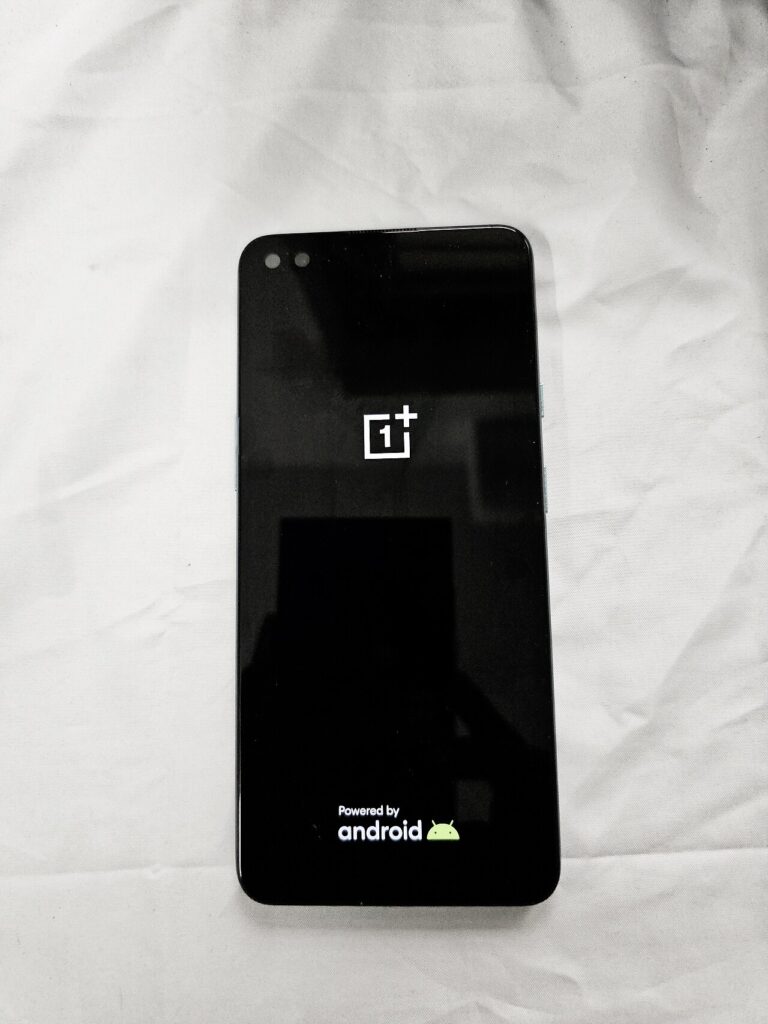
smartphone prices India have risen significantly, averaging a 16% increase in H1 2026. Despite this surge, OnePlus has managed to grow its market presence with lower price hikes.
Overview of Smartphone Prices in India
The smartphone market in India is facing unprecedented challenges as prices soar. In the first half of 2026, smartphone prices in India increased by an average of 16%, marking one of the steepest rises in recent history. This surge has left consumers concerned about affordability and accessibility.
However, amidst these rising costs, certain brands have managed to maintain their appeal. OnePlus, for instance, has continued to grow its market share despite implementing lower price hikes compared to its competitors. This strategy has allowed them to capture a more price-sensitive segment of the market.
As consumers weigh their options, the evolving landscape of smartphone prices in India will undoubtedly impact purchasing decisions in the coming months.
Impact of Price Increase on Consumers
The recent surge in smartphone prices in India has left consumers grappling with tough choices. With an average increase of 16% in the first half of 2026, many are feeling the financial strain as they consider upgrading their devices. This price hike has led to a notable shift in consumer behavior, prompting them to:
- Postpone purchases in favor of waiting for potential discounts.
- Opt for older models that may still meet their needs.
- Explore budget brands that offer more affordable alternatives.
As smartphone prices in India continue to climb, the impact on consumers is profound, affecting everything from brand loyalty to purchasing power. Many are now more cautious in their spending, leading to a challenging market landscape for manufacturers.
OnePlus Growth Amid Rising Prices
Despite a significant rise in smartphone prices in India, OnePlus has managed to sustain its growth in the market. According to Counterpoint Research, while the average smartphone prices in India increased by 16% in the first half of 2026, OnePlus implemented lower price hikes compared to its competitors. This strategy has allowed the brand to maintain its customer base and attract new users amidst rising costs.
Consumers appear to be responding positively to OnePlus’s approach, valuing the combination of quality and affordability. The company’s focus on delivering high-performance smartphones at competitive prices has set it apart in a challenging market. Additionally, OnePlus has emphasized innovation and user experience, further enhancing its appeal to tech-savvy consumers.
As the smartphone landscape continues to evolve, OnePlus’s growth could serve as a blueprint for other brands navigating the rising smartphone prices in India.
Counterpoint Research Insights
Counterpoint Research has revealed alarming insights regarding smartphone prices in India, noting a significant average increase of 16% in the first half of 2026. This surge marks one of the steepest rises in recent years, with consumers facing tough choices in a competitive market.
The report highlights several key factors contributing to this trend:
- Inflationary Pressures: Rising production costs have directly impacted pricing strategies across the board.
- Market Dynamics: Increased competition among brands has led to varying price adjustments.
- Consumer Preferences: Despite higher smartphone prices, consumers continue to seek premium features, pushing brands to innovate.
Interestingly, while most brands struggle with these price hikes, OnePlus has demonstrated robust growth, adapting its pricing strategy effectively amidst the changing landscape.
Future Predictions for Smartphone Market
As the smartphone market in India continues to evolve, several predictions for future pricing trends are emerging. Analysts suggest that smartphone prices in India may stabilize in the coming years, but not without challenges.
Factors influencing this market include:
- Economic Conditions: Inflation and consumer spending power will play crucial roles in determining how much companies can charge for new devices.
- Technological Advancements: As manufacturers incorporate more advanced features, the cost of production may increase, impacting retail prices.
- Competitive Landscape: Brands like OnePlus could lead to more aggressive pricing strategies, potentially benefiting consumers.
In summary, while the immediate future may see continued fluctuations, the overall trajectory of smartphone prices in India will depend on a complex interplay of economic and market dynamics.
Comparative Analysis of Major Brands
In 2026, the landscape of smartphone prices in India has seen significant shifts, particularly among major brands. A comparative analysis reveals that while Apple and Samsung have increased their prices to maintain premium positioning, Xiaomi has strategically reduced entry-level prices to attract budget-conscious consumers.
According to Counterpoint Research, Apple’s latest iPhone models saw a price hike of 20%, while Samsung followed closely with increases ranging from 15% to 18%. In contrast, Xiaomi has effectively captured market share by offering competitive pricing, with some models priced as low as 10% above 2025 levels.
This disparity in pricing strategies highlights the challenges faced by consumers in a market where smartphone prices in India continue to escalate, affecting purchasing decisions and brand loyalty.
The surge in smartphone prices India has left many consumers reeling as they struggle to keep up with the escalating costs. In 2026, smartphone prices India have seen the worst rise yet, prompting calls for greater transparency and regulation in the market.
via Wikimedia Commons
Where this came from
Related stories
- Motorola Razr Flex: Best Compact Foldable with Proven Battery
- Rashid Rover 2 Moon mission: Is it the Best Lunar Probe Yet?
- AMD World Labs Investment: Smart Move Worth $8.2 Billion
About the Author