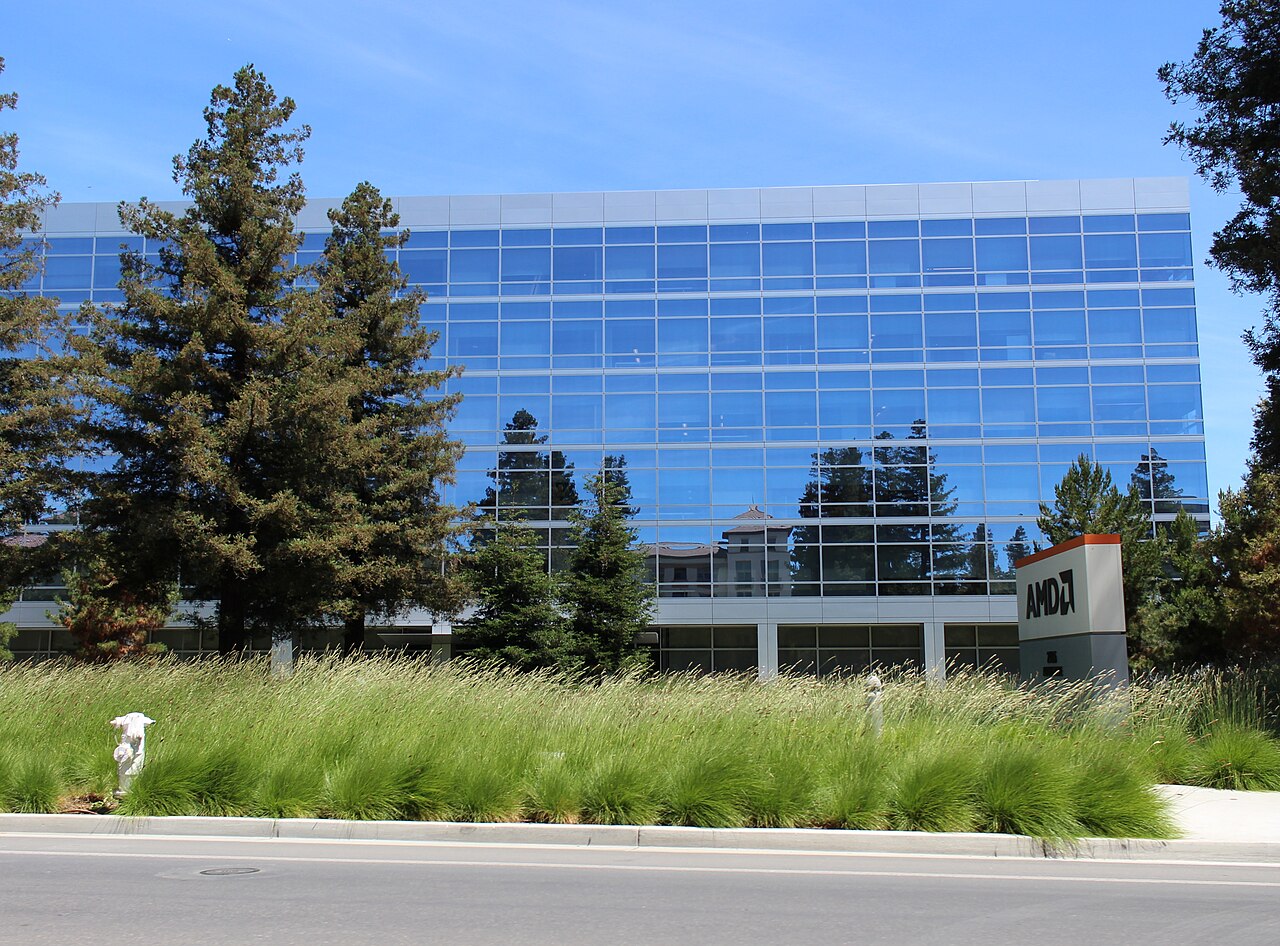
GDDR6 price increase is causing ripples in the tech industry as AMD reportedly raises prices for its board partners. This move could have significant implications for the market.
What is GDDR6?
Graphics Double Data Rate 6 (GDDR6) is a type of memory widely utilized in modern graphics cards and gaming consoles. It is the successor to GDDR5 and offers improved performance and efficiency, making it a crucial component for high-end gaming and professional applications.
GDDR6 memory provides several advantages over its predecessor, including:
- Increased Bandwidth: GDDR6 can achieve higher data rates, allowing for faster processing of graphics and smoother gaming experiences.
- Enhanced Efficiency: This memory type operates at lower voltages, which can lead to reduced power consumption and heat generation.
- Higher Capacity: GDDR6 supports larger memory sizes, enabling more complex textures and higher resolutions in games.
As demand for advanced graphics solutions continues to grow, the GDDR6 price increase has raised concerns among both manufacturers and consumers. As AMD reportedly raises GDDR6 prices for board partners, the implications for the gaming market and hardware development remain to be seen. This strategic move may impact the pricing of graphics cards and ultimately influence the availability of next-generation gaming technology.
Impact of Price Increase
The recent GDDR6 price increase has sparked concerns across the tech industry, particularly among gamers and hardware manufacturers. As AMD reportedly raises prices for board partners, the implications for both production costs and retail prices are becoming evident.
One significant impact of this price hike is the potential rise in graphics card prices. Consumers may find themselves facing higher costs for new GPUs, which could slow down the already competitive market. Additionally, manufacturers might struggle to maintain profit margins, leading to a reevaluation of their pricing strategies.
Moreover, the GDDR6 price increase could hinder the development of next-generation gaming consoles and PC hardware. As manufacturers allocate more funds to secure memory chips, the overall innovation cycle could slow down, delaying the release of advanced technologies.
In response to these changes, some companies are exploring alternative memory solutions or adjustments to their product lines. This situation may ultimately reshape the landscape of high-performance computing and gaming, as stakeholders adapt to the new reality of increased costs and shifting market dynamics.
As AMD navigates this challenging environment, the long-term effects of the GDDR6 price increase remain to be seen.
AMD’s Pricing Strategy
AMD’s recent decision to raise GDDR6 prices for its board partners has sparked discussions about the company’s pricing strategy in the competitive graphics memory market. This change is significant, as it reflects AMD’s need to adapt to rising production costs and the increasing demand for high-performance memory solutions.
By implementing a GDDR6 price increase, AMD aims to ensure that its partners can maintain profitability while still providing cutting-edge graphics cards to consumers. This move comes at a time when demand for gaming hardware and data center solutions has surged, putting pressure on manufacturers to source high-quality memory at reasonable prices.
AMD’s strategy also involves:
- Aligning with Market Trends: By adjusting prices, AMD positions itself competitively against rivals, ensuring its products remain appealing to consumers.
- Fostering Partnerships: The price increase may help strengthen relationships with board partners, encouraging them to invest in new technologies.
- Enhancing Product Value: Higher prices can signal improved performance, justifying the cost to consumers.
As the market evolves, AMD’s pricing strategy will be crucial in maintaining its foothold in the graphics card industry.
Consumer Reactions
As news of the GDDR6 price increase spreads, consumer reactions have been mixed. Many avid gamers and tech enthusiasts have taken to social media to express their concerns regarding the rising costs of graphics memory, which could influence the pricing of future graphics cards.
Some consumers feel that the price hike is a necessary step for manufacturers to maintain quality and performance standards. A user on a popular gaming forum stated, “If the price increase leads to better performance and efficiency, it might be worth it in the long run.” However, others have voiced frustration, fearing that the GDDR6 price increase will lead to inflated prices across the entire GPU market.
Additional comments highlight the potential impact on entry-level gamers. “With GPU prices already high, this increase could push many out of the market,” noted a concerned gamer. The community is also speculating how AMD’s new strategy will affect the availability of GPUs, particularly in a time when demand continues to surge.
As consumers await further announcements from AMD and other manufacturers, the uncertainty surrounding the GDDR6 price increase remains a hot topic among technology enthusiasts.
Board Partners’ Concerns
The recent reports of a GDDR6 price increase have raised concerns among AMD’s board partners, who rely heavily on competitive pricing to attract consumers. As manufacturers of graphics cards, these partners are facing a challenging landscape where production costs are climbing.
Several board partners have expressed their worries regarding the decision to raise prices, highlighting the potential impact on their profit margins. The increased cost of GDDR6 could lead to higher retail prices for end consumers, which might deter buyers in an already saturated market.
Furthermore, the board partners fear that the price hike could create a disparity in the market, allowing competitors to capitalize on the situation. They are particularly concerned about the implications for upcoming product launches, as maintaining competitive pricing is critical for securing sales.
To address these issues, some partners are advocating for better communication with AMD regarding pricing strategies. They believe that collaboration is essential to ensure a balanced approach that benefits both manufacturers and consumers.
As the situation unfolds, it remains to be seen how AMD will navigate these challenges and what measures will be taken to alleviate board partners’ concerns over the GDDR6 price increase.
Future of Graphics Memory
The future of graphics memory, particularly with regard to GDDR6, remains uncertain as the industry grapples with the recent price increase announced by AMD. This adjustment has raised concerns among board partners, who are now forced to reconsider their pricing strategies and product offerings. The ripple effects of this decision could alter the competitive landscape of graphics cards significantly.
Manufacturers are facing tough choices in how to manage the increased costs without passing them entirely onto consumers. Some might opt to absorb the price hike in hopes of maintaining market share, while others could take a different approach by increasing the retail prices of their graphics cards. This could potentially lead to a downturn in sales as gamers and enthusiasts reevaluate their purchasing decisions.
Furthermore, the demand for high-performance gaming and professional applications continues to grow, putting additional pressure on the supply chain. As manufacturers strategize to adapt to the GDDR6 price increase, innovation in graphics memory technology will be essential to stay ahead in a competitive market.
Ultimately, the industry’s response to this price shift will shape the future trajectory of graphics memory and gaming experiences for years to come.
Market Trends in 2023
The graphics memory market has experienced significant fluctuations throughout 2023, with the recent GDDR6 price increase drawing attention from both consumers and industry insiders. This rise in prices is largely attributed to increasing demand for high-performance graphics cards, driven by the growing popularity of gaming and content creation.
As manufacturers adapt to these market trends, several key factors have emerged:
- Supply Chain Disruptions: Ongoing supply chain issues have affected the availability of components, leading to higher production costs.
- Increased Demand: The demand for advanced graphics memory, particularly GDDR6, has surged as new gaming titles and software require enhanced performance.
- Technological Advancements: Innovations in graphics technology necessitate the use of more advanced memory solutions, which can contribute to price hikes.
- Market Competition: As competitors vie for market share, strategic pricing adjustments, including the GDDR6 price increase, are becoming more prevalent.
With these trends shaping the landscape, stakeholders must navigate the challenges posed by rising costs and fluctuating consumer demand.
Conclusion and Outlook
In conclusion, the recent GDDR6 price increase has sent ripples through the graphics memory market, prompting a variety of reactions from consumers and industry stakeholders alike. AMD’s new strategy appears to be a calculated move to boost profit margins while navigating the complexities of supply chain challenges and increasing demand for high-performance memory. As board partners grapple with rising costs, many are left to reconsider their pricing structures to remain competitive in a tight market.
Consumer reactions have been mixed; while some express concern over potential price hikes for new graphics cards, others acknowledge the necessity of investing in advanced technology. As gamers and professionals alike seek enhanced performance, the implications of the GDDR6 price increase may lead to temporary adjustments in purchasing behavior.
Looking ahead, the future of graphics memory remains uncertain, but trends suggest that demand will continue to grow, potentially stabilizing prices in the long term. Market dynamics in 2023 will be crucial in determining whether AMD’s strategy will pay off or if it will face backlash from consumers and partners alike. As the industry evolves, stakeholders must adapt to these changes to succeed in an increasingly competitive landscape.
via Wikimedia Commons
Where this came from
You might also like
- Smart Home Adoption: Proven AI Strategies for India
- Meta AI deal: The Worst $500 Million Turnaround Explained
- Celebrity-Backed Startup Deals: The Best 10 Proven Investments
About the Author