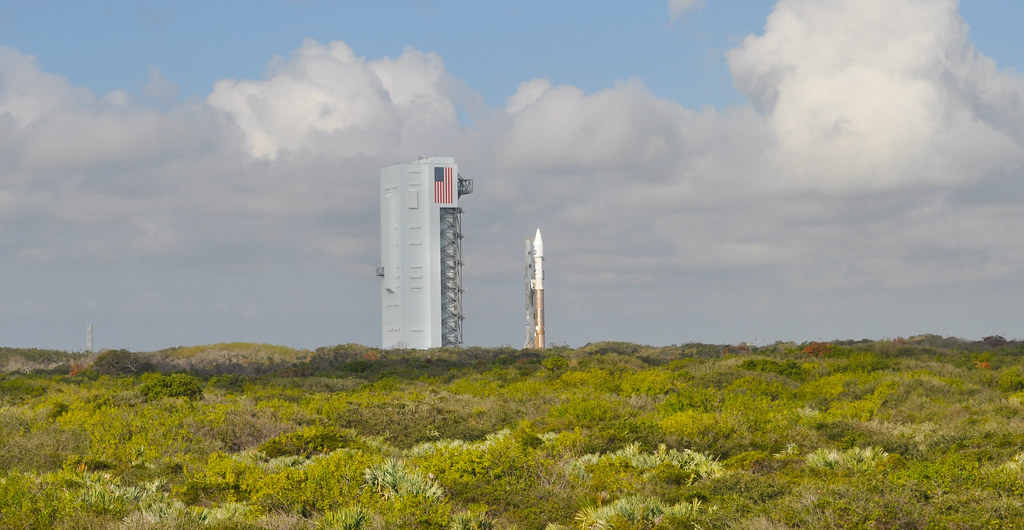
navigation satellite launch is a significant milestone for ISRO, as it successfully deployed the NVS-03 satellite into orbit, enhancing India’s navigation capabilities.
Overview of the NVS-03 Mission
The Indian Space Research Organisation (ISRO) has successfully launched its third-generation navigation satellite, NVS-03, marking a significant milestone in the ongoing development of navigation satellite systems. This launch is part of ISRO’s broader initiative to enhance its navigation capabilities, providing improved accuracy and reliability for users across India and neighboring regions.
The NVS-03 mission is particularly noteworthy as it contributes to the Indian Regional Navigation Satellite System (IRNSS), which is crucial for various applications, including aviation, shipping, and personal navigation. The satellite is equipped with advanced atomic clocks, making it capable of providing high-precision time and positioning information.
Key features of the NVS-03 mission include:
- Enhanced Accuracy: The satellite offers better positioning accuracy than its predecessors.
- Improved Services: It is designed to provide improved services for both civilian and military users.
- Robust Design: The satellite’s robust design ensures operational longevity and reliability in various conditions.
This navigation satellite launch reinforces ISRO’s commitment to advancing space technology and supporting India’s growing demand for accurate navigation services.
Significance of Navigation Satellites
Navigation satellites play a crucial role in modern technology and communication, providing essential services that enhance various sectors. The significance of navigation satellites, particularly in the context of the recent navigation satellite launch by ISRO, cannot be overstated.
These satellites are integral for:
- Global Positioning: They enable accurate location tracking for individuals and vehicles, proving essential for navigation systems across the globe.
- Timing Services: Navigation satellites provide precise timing information that is vital for various applications, including telecommunications and financial transactions.
- Disaster Management: In emergency situations, navigation systems facilitated by satellites help coordinate rescue operations and deliver aid.
- Agriculture and Land Management: Farmers utilize satellite data to improve crop yields and manage land effectively, leading to more sustainable practices.
- Military Operations: Defense sectors rely heavily on navigation satellites for strategic planning and execution of operations.
The recent navigation satellite launch, NVS-03, marks a significant milestone for ISRO, advancing India’s capabilities in satellite navigation and reinforcing its commitment to technological excellence.
As countries continue to invest in satellite technology, the impact of navigation satellites will only grow, shaping the future of global connectivity and security.
ISRO’s Achievements in Space
The Indian Space Research Organisation (ISRO) has made remarkable strides in the field of space exploration and technology, particularly with its successful navigation satellite launch. Among its many achievements, ISRO has consistently demonstrated its capability to deliver advanced satellite systems that enhance navigation and communication capabilities across the globe.
One of the standout milestones in ISRO’s journey is the successful deployment of the NVS-03 satellite, which marks the third generation of India’s navigation satellite series. This satellite not only reinforces India’s position in global navigation systems but also signifies a leap in technology with improved accuracy and reliability.
The advancements in ISRO’s navigation satellites can be summarized as follows:
- Enhanced Accuracy: The NVS-03 offers improved positioning services, catering to both civilian and military applications.
- Increased Coverage: The satellite extends the reach of India’s navigation services, ensuring better connectivity even in remote areas.
- Technological Innovation: Incorporating advanced features, the satellite showcases ISRO’s commitment to research and development in space technology.
These achievements not only highlight ISRO’s prowess in space but also contribute significantly to India’s growing reputation as a leader in space technology.
Technical Specifications of NVS-03
The NVS-03 satellite, part of ISRO’s advanced navigation satellite program, showcases remarkable technical specifications that enhance its operational capabilities. This third-generation navigation satellite launch aims to bolster the Indian Regional Navigation Satellite System (IRNSS).
Key features of the NVS-03 include:
- Weight: Approximately 2,200 kilograms, designed for high efficiency and durability.
- Orbit: Geosynchronous orbit at an altitude of about 36,000 kilometers, ensuring constant coverage over the Indian subcontinent.
- Signal Generation: Equipped with advanced atomic clocks, providing highly accurate timing signals essential for navigation.
- Frequency: Operates on the L1, L5, and S bands, allowing for enhanced signal strength and reliability.
- Life Span: Expected operational life of over 12 years, ensuring long-term service and functionality.
The successful navigation satellite launch of NVS-03 not only reinforces India’s position in space technology but also enhances the precision of navigation services available to users across various sectors, including transportation, defense, and disaster management.
Future of Navigation Technology
The future of navigation technology is poised for significant advancements, particularly following the successful navigation satellite launch of ISRO’s NVS-03. This launch marks a pivotal moment in enhancing the accuracy and reliability of navigation systems worldwide.
As global demand for precise location services continues to rise, the integration of advanced navigation satellites like NVS-03 will play a crucial role in various sectors, including transportation, agriculture, and disaster management. The third-generation satellite is designed to provide enhanced services, including better positioning accuracy and improved signal availability.
Moreover, the implementation of new technologies in navigation satellites will pave the way for innovations such as:
- Real-time data processing: Allowing for quicker response times in critical applications.
- Increased satellite constellations: Enhancing coverage and reducing latency in signal transmission.
- Interoperability with global navigation systems: Ensuring seamless integration with other satellite networks for improved service delivery.
As ISRO leads the charge in navigation satellite launches, the future of navigation technology appears bright, promising unparalleled advancements in both civilian and military applications.
Challenges in Satellite Launches
The journey of navigation satellite launches is often fraught with challenges that test even the most experienced space agencies. The complexities involved in launching a satellite like NVS-03 highlight the critical hurdles that must be overcome to achieve success.
One of the primary challenges is the precise synchronization required for the launch vehicle and satellite systems. Any miscalculation could lead to significant errors in orbit insertion, affecting the satellite’s operational capabilities. Additionally, the satellite must withstand extreme conditions during launch, including intense vibrations and high temperatures.
Moreover, the integration of advanced technologies poses its own set of challenges. The NVS-03, being a third-generation navigation satellite, incorporates state-of-the-art features that require thorough testing and validation before launch. This process can be time-consuming and demands significant resources.
Another obstacle is the coordination among various teams involved in satellite development, launch operations, and post-launch assessments. Effective communication and collaboration are crucial to mitigate risks and ensure that all systems function as intended.
Despite these challenges, ISRO has demonstrated resilience and expertise, achieving remarkable success in navigation satellite launches, including the recent deployment of NVS-03.
Global Impact of India’s Navigation System
The successful navigation satellite launch of NVS-03 by ISRO marks a significant milestone in global navigation systems. This third-generation satellite enhances the accuracy and reliability of positioning services, which are crucial for various sectors worldwide.
The NVS-03 satellite is part of India’s Navigation with Indian Constellation (NavIC) system, which is designed to provide precise positioning services across India and surrounding regions. Its implications extend beyond national borders, affecting global navigation standards and services.
Key impacts of India’s navigation system include:
- Enhanced Accuracy: The NVS-03 satellite improves position accuracy to within a few meters, setting a benchmark for navigation technology.
- Global Accessibility: With its advanced capabilities, the satellite supports both civilian and military applications, making it a valuable asset for international users.
- Economic Growth: Improved navigation services can bolster sectors like logistics, transportation, and agriculture, driving economic development.
- Technological Advancements: The successful launch underscores ISRO’s commitment to innovation, pushing forward the frontiers of space technology.
Overall, the navigation satellite launch of NVS-03 not only strengthens India’s position in space technology but also contributes significantly to global navigation infrastructure.
Public Reception of ISRO’s Launch
The recent navigation satellite launch by the Indian Space Research Organisation (ISRO) has garnered significant public interest and enthusiasm. Citizens across the nation have expressed their pride in India’s growing capabilities in space technology, particularly in the field of navigation satellites.
Many enthusiasts took to social media to celebrate the successful deployment of the NVS-03 satellite, highlighting the importance of such advancements for national security and economic development. The launch has been seen as a pivotal moment for ISRO, illustrating its commitment to enhancing the precision of navigation systems across the country.
In various public forums, experts and laypersons alike praised ISRO’s ability to successfully execute complex missions. They noted that the navigation satellite launch not only strengthens India’s position in the global space sector but also promotes technological self-sufficiency.
Moreover, educational institutions organized events and discussions to emphasize the role of navigation satellites in everyday life. Students expressed excitement about the prospects of careers in space technology, inspired by ISRO’s achievements.
Overall, the public reception of ISRO’s launch reflects a growing awareness and appreciation for the significance of navigation satellites, marking a bright future for India’s space endeavors.
The recent navigation satellite launch by ISRO has set new benchmarks in satellite technology and reliability. As the agency continues to innovate, the navigation satellite launch process is becoming increasingly efficient and cost-effective.
By NASA Goddard Photo and Video via Openverse
References
Related reading
- Smartphone prices in India: Worst Increase with Proven Impact
- Vivo X500 Series: Best Proven Phone Certification News
- Audit Burden Reduction: Proven Measures by Red Tractor
About the Author