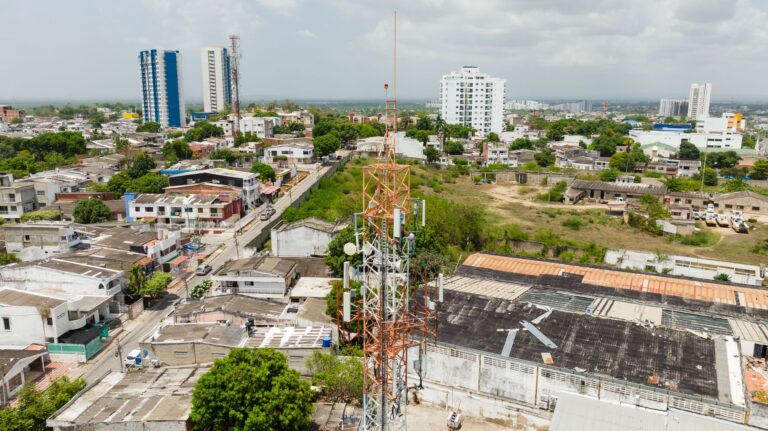
The Amravati drought preparedness plan is set to receive ₹734 crore in funding to enhance water management and resource allocation.
Overview of the Amravati Drought Preparedness Plan
The Amravati Drought Preparedness Plan aims to address the increasing challenges posed by water scarcity in the region. With a significant financial boost of ₹734 crore, the plan focuses on implementing effective strategies to mitigate the impacts of drought.
Key components of the Amravati Drought Preparedness Plan include:
- Water Conservation Techniques: Encouraging rainwater harvesting and groundwater recharge.
- Agricultural Support: Providing farmers with drought-resistant crop varieties and training on efficient irrigation practices.
- Community Engagement: Involving local communities in planning and executing water management initiatives.
- Infrastructure Development: Upgrading existing water supply systems to enhance efficiency and reduce losses.
By prioritizing these areas, the Amravati Drought Preparedness Plan seeks to build resilience against future drought conditions, ensuring sustainable water usage for both residents and agriculture.
Funding Breakdown for Drought Management
The Amravati Drought Preparedness Plan has received a significant financial boost, with a total allocation of ₹734 crore aimed at enhancing drought management strategies. This funding will be pivotal in implementing various initiatives designed to mitigate the impacts of drought in the region.
The breakdown of the funding is as follows:
- Water conservation projects: ₹250 crore will be directed towards improving water storage facilities and rainwater harvesting systems.
- Agricultural support: ₹200 crore is earmarked for providing farmers with drought-resistant seeds and irrigation equipment.
- Awareness programs: ₹100 crore will fund educational campaigns to inform residents about efficient water usage and conservation methods.
- Emergency response: ₹184 crore will be allocated for establishing rapid response teams to address drought-related emergencies.
These strategic investments are crucial for the successful execution of the Amravati Drought Preparedness Plan.
Impact on Local Communities
The Amravati drought preparedness plan is crucial for safeguarding local communities that rely heavily on agriculture and natural resources. As the region faces increasing water scarcity, the implications of drought are far-reaching.
Local farmers are experiencing the brunt of these changes, struggling to sustain their crops and livelihoods. The following impacts have been observed:
- Reduced Crop Yields: Farmers are forced to switch to less water-intensive crops, leading to lower overall productivity.
- Economic Strain: Many families are facing financial difficulties due to decreased income from agriculture.
- Migration: Some community members are relocating to urban areas in search of better opportunities.
- Health Issues: Water scarcity has led to increased concerns over sanitation and access to clean drinking water.
Effective implementation of the Amravati drought preparedness plan is essential to mitigate these effects and support affected communities.
Telecom’s Role in Disaster Preparedness
The role of telecom in the Amravati drought preparedness plan is pivotal for efficient communication and coordination during crisis situations. With the increasing frequency of droughts, reliable telecommunications infrastructure is essential for disseminating timely information to residents and local authorities.
Key aspects of telecom’s involvement include:
- Real-time Alerts: Mobile networks can send instant notifications regarding water conservation measures and drought updates.
- Emergency Communication: Establishing dedicated channels to facilitate communication between government agencies and citizens during emergencies.
- Data Sharing: Utilizing mobile technology to collect and analyze data on water usage and availability, aiding in better decision-making.
Furthermore, partnerships with local telecom providers can enhance the resilience of the Amravati drought preparedness plan, ensuring that communities remain informed and connected throughout the drought season.
Government Initiatives for Water Security
The government is taking significant steps to enhance water security in Amravati through various initiatives outlined in the Amravati Drought Preparedness Plan. These initiatives aim to ensure a sustainable water supply and mitigate the effects of droughts on the local population. Key actions include:
- Rainwater Harvesting: Encouraging the installation of rainwater harvesting systems in both urban and rural areas.
- Water Conservation Campaigns: Launching community programs to promote responsible water usage among residents.
- Infrastructure Development: Upgrading existing irrigation facilities to improve efficiency and reduce water wastage.
- Groundwater Recharge Projects: Implementing techniques to replenish aquifers, ensuring a long-term water supply.
These measures are designed to bolster resilience against drought conditions, providing a framework for effective water management in Amravati.
Future Prospects for Amravati’s Water Resources
The future prospects for Amravati’s water resources hinge significantly on the effective implementation of the Amravati drought preparedness plan. As climate variability becomes increasingly unpredictable, the necessity for innovative water management strategies has never been more critical.
Local authorities are exploring several initiatives to enhance water conservation and quality. These include:
- Rainwater Harvesting: Encouraging residents to install systems that capture and utilize rainwater.
- Efficient Irrigation Techniques: Promoting drip and sprinkler irrigation to minimize water wastage in agriculture.
- Awareness Campaigns: Educating the community about sustainable water usage practices.
Furthermore, partnerships with NGOs and private sectors aim to provide technological solutions and funding that bolster these efforts. By focusing on these proactive measures, Amravati can significantly enhance its resilience against future droughts and secure its water resources for generations to come.
Sources
Related reading
- Rebel smartphone series: The Best Affordable Choice in India
- Ova Magica console release: Best trailer reveals exciting details
- Fitness Startup Funding: Proven Strategies for Success
About the Author