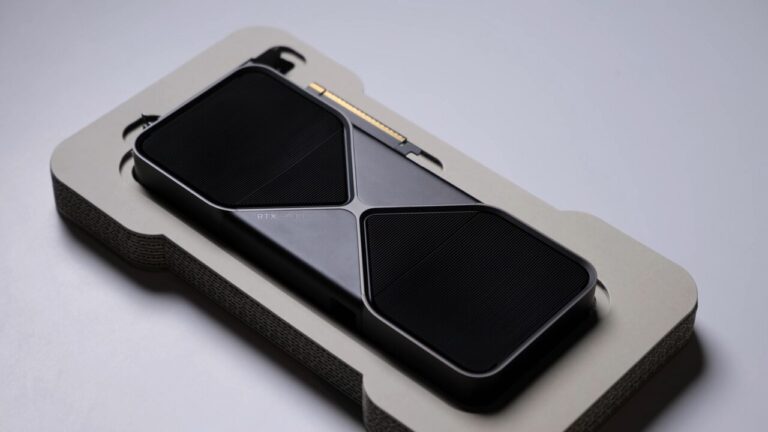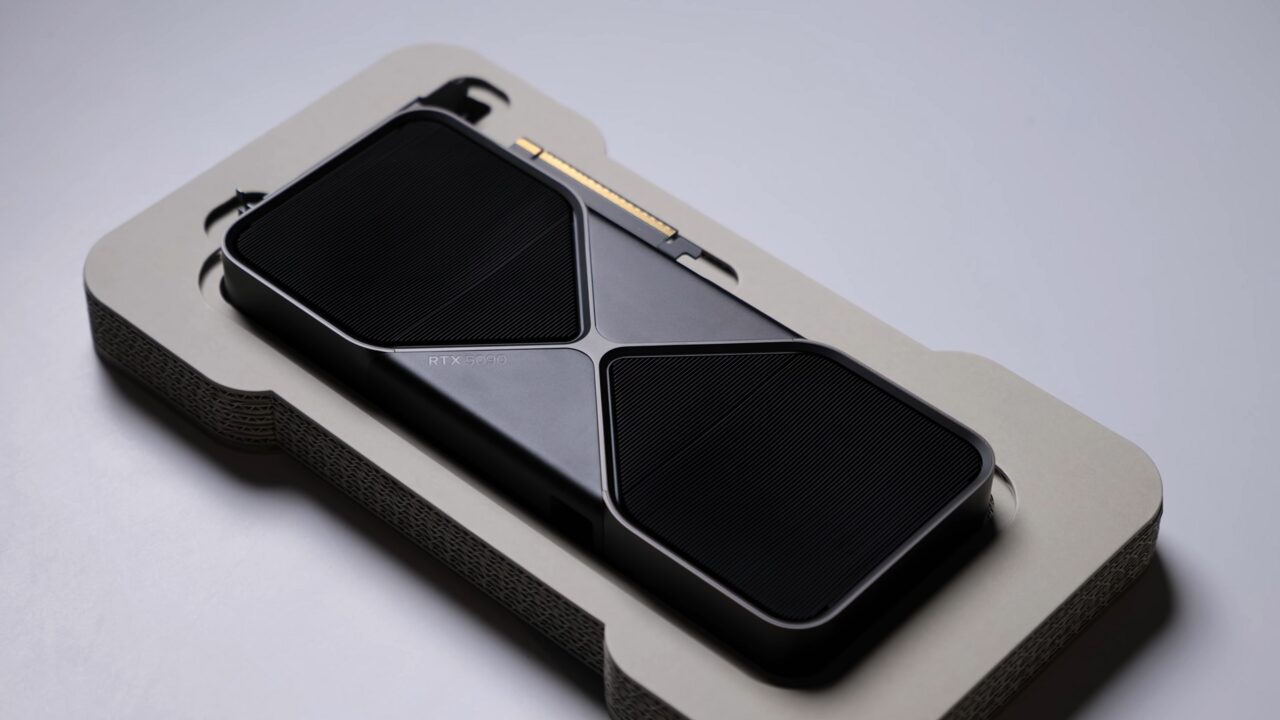
NVIDIA GeForce RTX 5080 has reportedly been canceled, with the company opting to bring back the 16GB model due to rising GDDR7 costs. This decision has sparked discussions among tech enthusiasts and gamers alike.
The Cancellation of the RTX 5080
In a surprising turn of events, NVIDIA has reportedly decided to cancel the launch of the long-anticipated NVIDIA GeForce RTX 5080 24GB model. Industry insiders suggest that the decision stems from escalating costs associated with GDDR7 memory, which has significantly impacted production budgets.
As a result, the company is pivoting back to the previously favored 16GB version, which is seen as a more cost-effective solution. This shift has generated mixed reactions among gamers and enthusiasts who were eagerly awaiting the enhanced capabilities of the 24GB variant.
Key points surrounding this cancellation include:
- Increased production costs due to GDDR7 memory.
- Potential delay in the overall RTX 5000 series launch timeline.
- Community concerns over the impact on gaming performance.
As the situation unfolds, many are left wondering how this decision will affect NVIDIA’s position in the competitive graphics card market.
Reasons Behind GDDR7 Costs
The decision to cancel the NVIDIA GeForce RTX 5080’s 24GB model has sent shockwaves through the gaming community, primarily due to the soaring costs associated with GDDR7 memory. Several factors contribute to this significant increase in production expenses.
- Supply Chain Issues: The ongoing global semiconductor shortage has disrupted the availability of necessary components, leading to inflated prices for memory chips.
- Technological Advancements: GDDR7 is designed to offer higher bandwidth and improved performance, but the complexity of its manufacturing process has added to the costs.
- Market Demand: As gaming and video editing applications become more demanding, the push for higher memory capacities drives up prices, impacting the RTX 5080’s pricing strategy.
Ultimately, these factors have compelled NVIDIA to reconsider its initial launch plans for the RTX 5080, opting for a return to the more economical 16GB model.
Impact on Gamers and Enthusiasts
The recent decision by NVIDIA to cancel the GeForce RTX 5080 24GB has sent shockwaves through the gaming community. Many gamers and enthusiasts were eagerly anticipating the performance enhancements promised by the new model. Instead, NVIDIA’s choice to revert to the 16GB version has left them feeling disappointed and frustrated.
Industry experts suggest that the impact of this decision could be significant, particularly for those planning to upgrade their systems. The GDDR7 costs played a major role in this choice, but it raises questions about NVIDIA’s commitment to delivering cutting-edge technology at competitive prices.
As the gaming landscape evolves, the demand for higher memory capacity and improved performance continues to grow. Many believe that the RTX 5080 might have set a new standard, but now enthusiasts are left wondering what the future holds for NVIDIA’s next-generation graphics cards.
What to Expect from NVIDIA
As NVIDIA navigates the turbulent waters following the cancellation of the RTX 5080 24GB model, expectations are shifting among gamers and enthusiasts. The introduction of the 16GB variant has raised several questions about performance and pricing.
Many are curious about how the NVIDIA GeForce RTX 5080 will adapt to the current market demands, especially given the rising costs associated with GDDR7. Here are some points to consider:
- Performance Enhancements: Will the 16GB version still deliver competitive performance compared to its predecessors?
- Pricing Strategy: How will NVIDIA adjust its pricing to accommodate the cost of GDDR7?
- Future Releases: What implications does this decision have for upcoming graphics cards in the pipeline?
As the community awaits further announcements, the focus remains on how NVIDIA will reposition the RTX 5080 in an increasingly competitive landscape.
The Return of the 16GB Model
The recent decision by NVIDIA to revert to a 16GB model for the NVIDIA GeForce RTX 5080 has raised eyebrows among the gaming community. Initially, the company planned to launch a 24GB variant, but escalating costs associated with GDDR7 technology prompted a reevaluation of their strategy.
Many industry insiders believe that this move is a response to both market demands and production challenges. The 16GB model is expected to deliver adequate performance for most gamers while maintaining affordability. However, some enthusiasts are concerned that this change may limit the card’s longevity in a rapidly evolving gaming landscape.
As NVIDIA navigates these challenges, it remains to be seen how this decision will affect consumer perception and sales figures. The return to the 16GB model may ultimately prove to be a pragmatic choice, but for now, it has sparked a debate within the community.
Comparing RTX 5080 Models
As the dust settles on the controversial launch of the NVIDIA GeForce RTX 5080, comparisons between the different models are becoming increasingly relevant. Enthusiasts are particularly interested in how the 16GB variant stacks up against the now-canceled 24GB model.
Key differences to consider include:
- Performance: The 16GB model is expected to deliver solid performance for most gaming needs, while the 24GB variant aimed to cater to high-end users and demanding applications.
- Price: With GDDR7 costs being a significant factor, the adjusted pricing for the 16GB model may appeal to a broader audience.
- Availability: The immediate availability of the 16GB model could provide gamers with a much-needed solution in a competitive market.
Ultimately, the NVIDIA GeForce RTX 5080’s launch decisions may redefine consumer expectations and influence future product strategies.
Future of NVIDIA Graphics Cards
The future of NVIDIA graphics cards appears to be in a state of flux following the controversial cancellation of the NVIDIA GeForce RTX 5080. While the company has opted to revert to a 16GB model, many industry analysts are left questioning what this means for upcoming releases.
In the wake of this decision, NVIDIA must now address several critical factors:
- Market Competition: Rivals are quickly advancing, and NVIDIA needs to innovate to maintain its lead.
- Consumer Trust: Gamers are becoming increasingly wary of NVIDIA’s ability to deliver on promises.
- Technological Advancements: The shift to GDDR7 may still play a pivotal role in future GPU designs.
Ultimately, the fate of the NVIDIA GeForce RTX 5080 could shape the trajectory of the company’s graphics card strategy for years to come.
The NVIDIA GeForce RTX 5080 has faced significant backlash from gamers and critics alike due to its controversial launch strategy. Many believe that the NVIDIA GeForce RTX 5080 could have set a new standard for graphics performance if not for the poor decisions made during its release.
via Wikimedia Commons
Where this came from
VideoCardz.com · Nvidia GeForce RTX 5080
Related reading
Waze cyclist alerts: Smart new feature enhances safety · Is the India France technology dialogue the Best Proven Partnership? · Bobo and the Chest of Nightmares: Worst Delay News Ever
About the Author