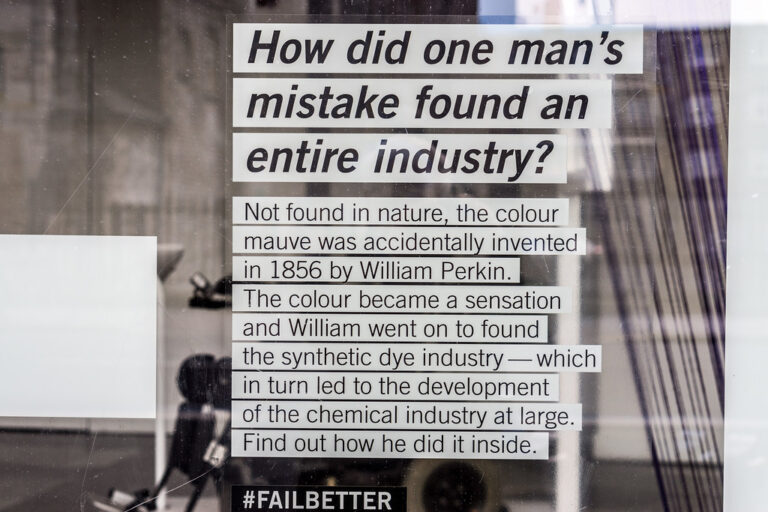
Scientific discovery mistakes can often lead to unexpected breakthroughs. Senior scientists have shared their experiences of overconfidence that contributed to significant discoveries, shedding light on the importance of humility in research.
Understanding Scientific Discovery
Scientific discovery is often a complex journey marked by both triumphs and setbacks. Researchers dedicate years to their work, driven by curiosity and the hope of uncovering new truths. However, the path to discovery is not always straightforward. Many experts agree that mistakes, including those born from overconfidence, play a crucial role in the scientific process.
Senior scientists have openly shared their experiences, illustrating how missteps can lead to unexpected breakthroughs. These revelations serve as a reminder that failure is a part of the scientific method. Some common themes emerge from their stories:
- Overconfidence: Many researchers admit to underestimating challenges, which can lead to flawed experiments.
- Assumptions: Starting with incorrect assumptions can skew results, prompting scientists to chase down the wrong path.
- Collaboration: Working in isolation can result in missed insights; engaging with peers often helps identify mistakes early.
Understanding scientific discovery mistakes is essential for progress. Each misstep provides valuable lessons, helping scientists refine their approaches and ultimately contribute to the advancement of knowledge in their fields.
The Role of Overconfidence in Research
Overconfidence often plays a significant role in the realm of scientific discovery mistakes. Many researchers, especially those with extensive experience, may develop a sense of certainty in their findings, which can lead to oversights and errors. Even seasoned scientists admit to moments where their confidence clouded their judgment.
In a recent discussion, several experts revealed instances where their overconfidence contributed to significant missteps in their research. These revelations highlight the following key points:
- Expectation vs. Reality: Many scientists enter a project with preconceived notions, leading them to overlook alternative explanations or data that contradict their hypotheses.
- Peer Pressure: The competitive nature of research can amplify overconfidence, as scientists may feel the need to present results that align with their expectations, even when evidence suggests otherwise.
- Confirmation Bias: Researchers may subconsciously favor information that supports their beliefs, disregarding critical data that could indicate flaws in their studies.
These insights serve as a reminder that humility and openness to correction are crucial in the pursuit of knowledge. Acknowledging the potential for scientific discovery mistakes can ultimately lead to more robust and reliable findings in the future.
Lessons Learned from Mistakes
In the world of scientific research, mistakes are often seen as setbacks, but many experts agree that they can also lead to significant breakthroughs. The lessons learned from these scientific discovery mistakes reveal a deeper understanding of the research process.
Several seasoned researchers have shared their experiences, highlighting the importance of humility and reflection. They noted that:
- Adopting a Growth Mindset: Embracing failures as opportunities for learning can foster innovation and creativity.
- Collaborative Efforts: Engaging with peers and accepting feedback can help identify flaws in research methodologies early on.
- Documenting Errors: Keeping a detailed record of mistakes can aid in identifying patterns and preventing future errors.
- Encouraging Open Dialogue: Creating an environment where scientists feel safe discussing their missteps can lead to collective growth and improvement.
Experts emphasize that acknowledging scientific discovery mistakes is crucial in advancing knowledge. Each misstep offers valuable insight that can inspire future research directions. By learning from their experiences, scientists aim to build a more robust and reliable foundation for future discoveries.
Expert Insights on Discovery
Experts in the field of scientific research are increasingly open about the scientific discovery mistakes they have made throughout their careers. These candid admissions provide valuable insights into the complex nature of research and the often-overlooked challenges that accompany significant breakthroughs.
One prominent scientist shared, “I had felt overconfident in my initial findings, which led to a series of missteps that delayed a crucial discovery.” This sentiment resonates with many researchers who often grapple with the fine line between confidence and hubris. The pressure to publish can result in rushed conclusions, leaving room for error.
Other experts echoed similar experiences, highlighting that mistakes are not merely setbacks but can also serve as stepping stones to greater understanding. They pointed out several key takeaways from their experiences:
- Embrace Failure: Mistakes can lead to unexpected discoveries.
- Collaborate: Seeking input from peers can mitigate individual blind spots.
- Reflect: Analyzing past errors can guide future research strategies.
By sharing their stories, these scientists hope to foster a culture of transparency and learning, emphasizing that acknowledging scientific discovery mistakes can ultimately enhance the integrity of research.
Future of Scientific Research
The future of scientific research is poised to evolve significantly as experts reflect on their past experiences and the scientific discovery mistakes that shaped their careers. With an increasing emphasis on collaboration and transparency, researchers are beginning to recognize the value of learning from errors rather than hiding them.
One major shift is the move towards a more open science model, where findings, data, and methodologies are shared publicly. This transparency allows for greater scrutiny and encourages researchers to acknowledge their mistakes. Experts believe this will lead to a more robust scientific community.
Additionally, interdisciplinary approaches are becoming more prevalent. By integrating diverse perspectives, teams can mitigate the risks associated with overconfidence and enhance the creative problem-solving process. As noted by several senior scientists, embracing vulnerability and admitting mistakes can catalyze breakthroughs.
Furthermore, educational programs are increasingly incorporating discussions about failure and resilience. Young scientists are being taught that mistakes are not just setbacks but opportunities for growth and innovation. This cultural shift is expected to foster a generation of researchers who are more adaptable and open to exploring unconventional paths.
Ultimately, the future of scientific research will likely be defined by a culture that values honesty, collaboration, and continuous learning.
By infomatique via Openverse
Where this came from
Related reading
SpaceX Nvidia Chips: The Right Move or a Risky Gamble? · Tesla FSD Update: Best Proven Features in v14.3 · Garmin smartwatch update: Best features in a proven release
About the Author