SpaceX Starship orbit has yet to be achieved, but the company is optimistic about upcoming attempts. With each launch, they aim to make history and reach new heights in space exploration.
Overview of SpaceX’s Starship
SpaceX’s Starship is poised to redefine space travel, aiming to be the first fully reusable spacecraft capable of carrying humans and cargo to a variety of destinations, including the Moon and Mars. As the company embarks on its mission to achieve SpaceX Starship orbit, the stakes are high, and the potential for groundbreaking advancements in aerospace technology cannot be overstated.
Currently, Starship has not yet reached orbit, which has raised questions about its design and functionality. However, SpaceX is optimistic that upcoming test flights will finally mark a significant breakthrough. Here are some key features of the Starship program:
- Reusability: Starship is designed for multiple flights, significantly reducing the cost of access to space.
- Payload Capacity: It can carry over 100 metric tons, making it ideal for large missions.
- Interplanetary Travel: SpaceX aims to facilitate missions to Mars, paving the way for human colonization of other planets.
- Technological Innovation: The development of the Raptor engine and other advanced systems showcases SpaceX’s commitment to pushing the boundaries of aerospace engineering.
As SpaceX prepares for its next round of launches, anticipation builds within the aerospace community. The upcoming attempts are seen as the best chance for success ahead, igniting hope for the future of space exploration.
Recent Developments in SpaceX
In recent weeks, SpaceX has made significant strides toward achieving successful orbital flight with its Starship program. The company has been tirelessly refining its technology and conducting a series of test launches, which have provided valuable data for future missions.
One of the key developments was the completion of a high-altitude flight test, which allowed engineers to assess the vehicle’s performance during critical phases of ascent and descent. The data gathered from this test will inform adjustments to the rocket’s design and operational parameters.
Moreover, SpaceX has been working on enhancing its ground support infrastructure, ensuring that facilities can handle the increased demands of launching the Starship into orbit. Some of the improvements include upgrades to fueling systems and the integration of advanced telemetry systems to monitor the spacecraft’s performance in real time.
Additionally, the company has secured multiple launch windows for upcoming test flights, indicating a renewed confidence in its capability to reach orbit. This optimism comes after extensive reviews of past launches and the implementation of lessons learned.
As SpaceX continues to push boundaries, the anticipation around the potential of the Starship orbit mission grows. The successful completion of this objective would not only mark a historic milestone for SpaceX but also pave the way for future explorations beyond Earth, including missions to the Moon and Mars.
Challenges Facing Starship
Despite the optimism surrounding SpaceX’s Starship orbit ambitions, the spacecraft faces several significant challenges that could impact its success. Addressing these hurdles is crucial for the company as it aims to achieve its first orbital flight.
- Technical Complexities: The design and engineering of Starship involve cutting-edge technology that must work flawlessly. Any malfunctions during launch or flight could result in mission failure.
- Regulatory Hurdles: SpaceX must navigate a complex landscape of regulations and approvals from various governmental agencies. Delays in these processes can hinder the timeline for achieving a successful orbit.
- Environmental Concerns: The launch site in Texas has faced scrutiny over its environmental impact. Public and regulatory concerns could slow down future launches if not adequately addressed.
- Competition: As other companies and nations ramp up their space exploration efforts, SpaceX is under pressure to innovate and demonstrate the reliability of Starship. The race to achieve milestones in space travel has intensified.
- Funding and Resources: Continuous development of Starship requires substantial investment. Fluctuations in funding or resource allocation could affect progress toward the goal of reaching orbit.
In summary, while the potential of SpaceX’s Starship orbit remains promising, overcoming these challenges will be key to realizing its ambitious goals.
Future Launch Plans for SpaceX
SpaceX has ambitious plans for the future of its Starship program, aiming to achieve successful orbital launches in the coming months. Following a series of test flights, the company is refining its approach to ensure that the next launch attempts meet both safety and performance benchmarks.
Key elements of the future launch plans include:
- Increased Frequency of Test Flights: SpaceX intends to conduct more frequent test launches to gather data and improve the design of the Starship, focusing on systems that have previously faced challenges.
- Enhanced Safety Protocols: Each subsequent launch will integrate lessons learned from past flights, with stringent safety measures to mitigate risks and ensure crew safety for future manned missions.
- Collaboration with Regulatory Bodies: SpaceX is working closely with the Federal Aviation Administration (FAA) to secure the necessary approvals for upcoming launches, which is crucial for maintaining compliance with regulations.
- Targeting Lunar and Martian Missions: The long-term vision includes using the Starship for missions to the Moon and Mars, highlighting the importance of achieving reliable orbital capability.
With these plans in place, SpaceX is hopeful that the Starship will soon reach orbit, marking a significant milestone in the company’s efforts to revolutionize space travel and exploration.
Public Interest in Space Exploration
As SpaceX continues to pave the way for space exploration, public interest in the potential of the SpaceX Starship orbit remains at an all-time high. Enthusiasts and casual observers alike are captivated by the possibilities that this next-generation spacecraft presents. The excitement surrounding its upcoming missions has sparked discussions across various platforms, bringing together a diverse audience.
Many factors contribute to the growing fascination with Starship:
- Technological Advancements: The innovative design and engineering behind Starship promise to revolutionize space travel.
- Manned Missions: The prospect of sending humans to Mars and beyond captures the imagination and fuels a desire for exploration.
- Cost Efficiency: SpaceX’s commitment to lowering the cost of access to space attracts attention from both the public and private sectors.
- Collaborative Efforts: Partnerships with government agencies and scientific institutions enhance credibility and broaden the mission scope.
As anticipation builds for the next launch attempt, the public’s engagement with space exploration is more pronounced than ever. Social media channels are buzzing with updates, while educational institutions are incorporating space-related topics into their curricula. This surge in interest not only highlights humanity’s inherent curiosity about the cosmos but also reflects the pivotal role SpaceX plays in shaping the future of space travel.
Comparing Starship to Other Rockets
As SpaceX aims for its Starship to achieve orbit, it’s essential to compare it to other rockets currently available in the space industry. This comparison highlights the unique features and capabilities that could make Starship a game-changer.
Several key factors distinguish SpaceX’s Starship from its competitors:
- Reusability: Unlike many traditional rockets, Starship is designed for full reusability. This feature significantly reduces the cost of missions and allows for more frequent launches.
- Payload Capacity: Starship boasts an impressive payload capacity, allowing it to carry more cargo than other rockets. This capability is critical for ambitious missions, including those aimed at Mars colonization.
- Launch Flexibility: Starship’s design allows it to support a wide variety of missions, from satellite deployment to crewed lunar landings and interplanetary travel.
- Innovative Technology: Incorporating advanced technologies, such as the Raptor engines and heat shield materials, Starship is built to withstand the harsh conditions of space travel.
While rockets like NASA’s Space Launch System (SLS) and the United Launch Alliance’s (ULA) Vulcan have their strengths, the focus keyword SpaceX Starship orbit reflects the optimism and potential that many see in this innovative spacecraft. The race to orbit will not only be a benchmark for SpaceX but also a defining moment in the evolution of space exploration.
Expert Opinions on SpaceX’s Goals
As SpaceX prepares for its next launch attempt of the Starship, industry experts are weighing in on the ambitious goals set by the company. Many believe that achieving a successful SpaceX Starship orbit is not just a milestone for the company, but a significant leap for space exploration as a whole.
“This is a critical moment not only for SpaceX but for the future of human spaceflight,” says Dr. Emily Carter, an aerospace engineer with over 20 years of experience in rocket development. “If Starship can successfully reach orbit, it will open up new possibilities for missions to the Moon, Mars, and beyond.”
Experts emphasize the importance of this launch in demonstrating the reliability of reusable rocket technology. According to Dr. Mark Reynolds, a space policy analyst, “The success of Starship could revolutionize the economics of space travel, making it more accessible for scientific, commercial, and exploratory missions.”
- Dr. Carter highlights the potential for international collaboration in space exploration.
- Dr. Reynolds points out the competitive edge it gives the United States in the global space race.
- Many agree that successful launches will foster greater public interest and investment in space technology.
As anticipation builds, the upcoming launch could very well be the best chance for SpaceX to achieve its goal of reaching orbit with the Starship, a pivotal step in realizing its broader vision.
The recent advancements in technology have significantly increased the chances of achieving a successful SpaceX Starship orbit. As the team prepares for the upcoming launch, all eyes are on the potential for a historic moment in space exploration with SpaceX Starship orbit.
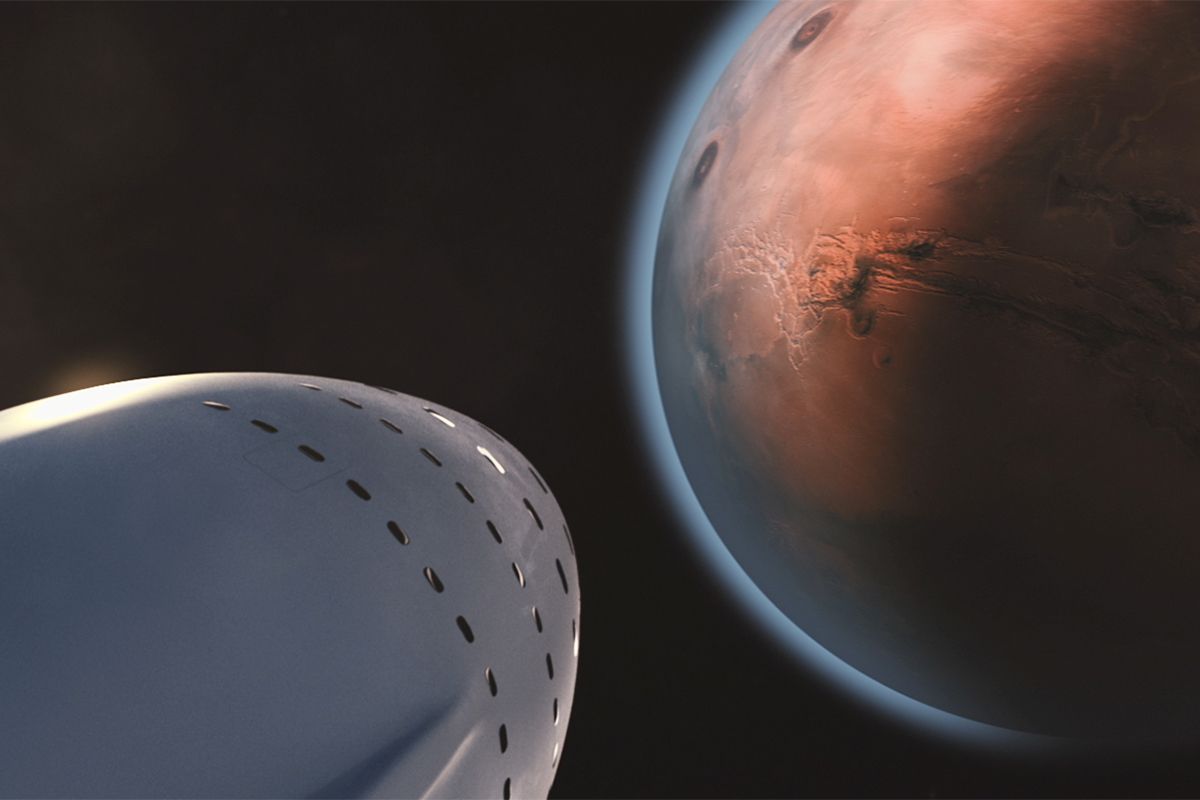
Photo by SpaceX on Pexels
Read the original
USA Today · SpaceX Starship orbital flight tests
Related reading
Fanatec ClubSport F1 Racing System: Best Proven Features · Dimensity 9600 Pro: The Best AI Smartphone Chip Yet · Google Chrome 153: Proven Fixes for 42 Security Vulnerabilities
About the Author