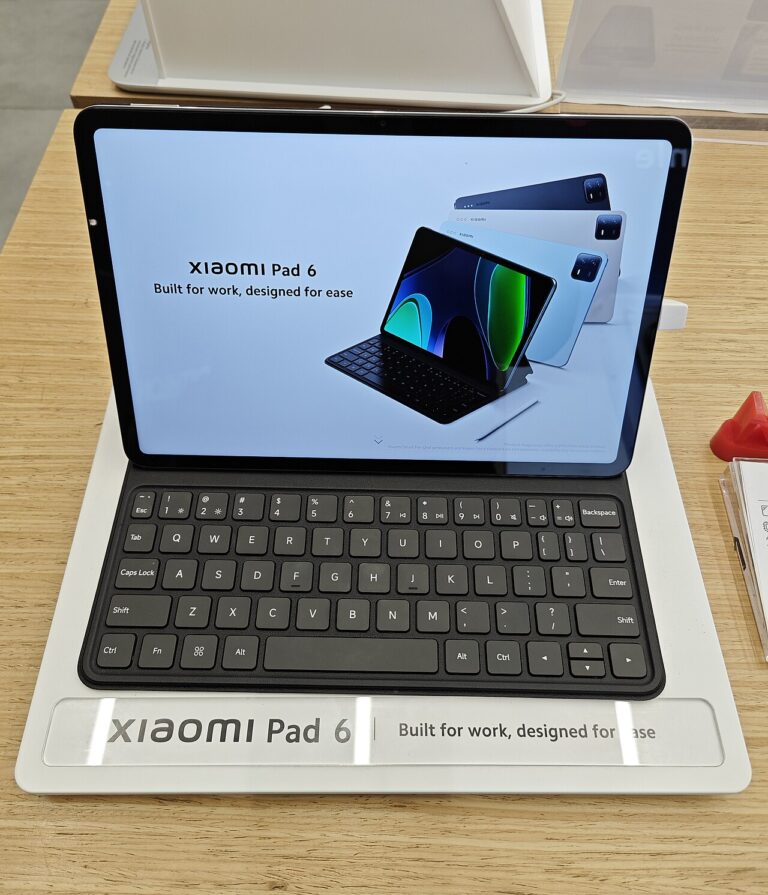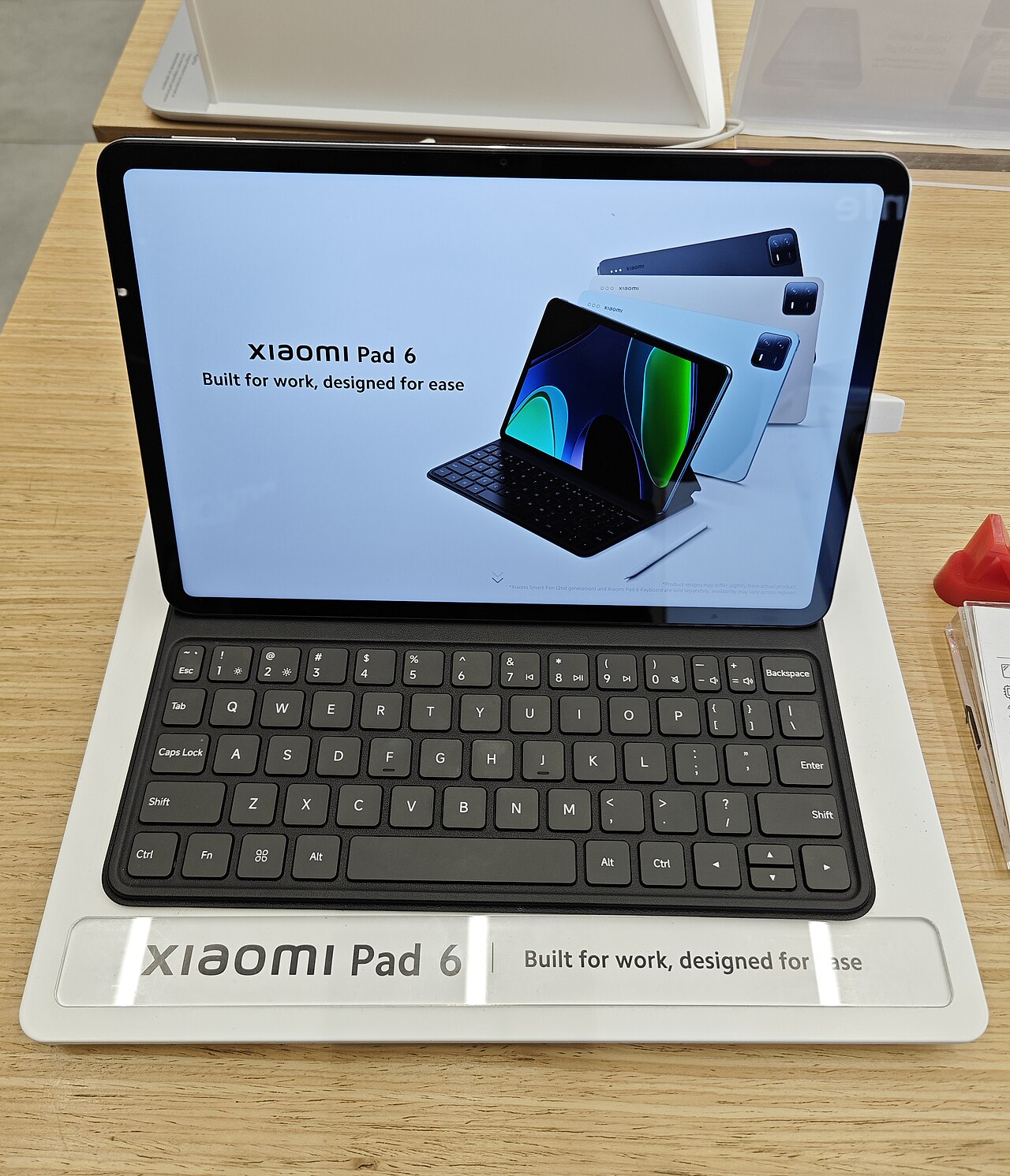
Xiaomi Pad 8 price hike has recently been announced, affecting consumers in India. This change raises questions about the value and affordability of these devices.
Understanding the Xiaomi Pad 8 Price Hike
The recent news regarding the Xiaomi Pad 8 price hike has raised eyebrows among tech enthusiasts and potential buyers alike. As Xiaomi continues to expand its presence in the tablet market, the increase in prices for the Xiaomi Pad 8, along with other models like the Redmi Pad 2 Pro and Redmi Pad 2, signifies a strategic shift in its pricing approach.
Understanding the reasons behind this price adjustment is essential for consumers. Several factors contribute to the decision, including:
- Rising Production Costs: The global supply chain continues to face challenges, resulting in increased production costs for electronic devices.
- Enhanced Features: The new pricing reflects the addition of advanced features and improved specifications in the latest Xiaomi Pad models.
- Market Positioning: Xiaomi aims to position its products as premium offerings, justifying the price hike with superior performance and innovative technology.
- Competitive Landscape: With rival brands also adjusting their pricing strategies, Xiaomi is responding to maintain its competitive edge in the market.
While the Xiaomi Pad 8 price hike may be disappointing for some, it is crucial for potential buyers to weigh the benefits of enhanced features against the increased cost. As the tablet market evolves, understanding these changes can help consumers make informed purchasing decisions.
Impact of Price Increase on Consumers
The recent price hike of the Xiaomi Pad 8 has sparked considerable discussion among consumers and tech enthusiasts alike. As the prices for popular devices like the Xiaomi Pad 8, along with the Redmi Pad 2 Pro and Redmi Pad 2, have increased in India, buyers are left to reassess their purchasing decisions.
One significant impact of this price increase is on consumer sentiment. Many potential buyers, who had set their sights on the Xiaomi Pad 8, may now feel hesitant, weighing the product’s features against the newly adjusted price. This shift can lead to a reevaluation of priorities when selecting a tablet, as consumers explore alternatives that may offer similar functionalities at a lower cost.
Additionally, the price hike could influence the market dynamics by prompting competitors to adjust their pricing strategies. Consumers may start looking at other brands, especially if they perceive that the value proposition of the Xiaomi Pad 8 has diminished due to the increased cost.
Moreover, the timing of this price adjustment coincides with a surge in demand for tablets in the post-pandemic era, as remote work and online education continue to thrive. As buyers navigate these changes, the Xiaomi Pad 8 price hike may ultimately lead to a shift in purchasing behavior, encouraging consumers to seek devices that offer better value for money.
Alternatives to Xiaomi Tablets
As the Xiaomi Pad 8 price hike has raised concerns among potential buyers, many are exploring alternatives in the tablet market. Fortunately, there are several options that may fit different needs and budgets.
- Apple iPad (9th Generation) – Known for its robust ecosystem and performance, this tablet offers excellent value. With a reliable App Store and seamless integration with other Apple devices, it’s a strong contender for those seeking premium features.
- Samsung Galaxy Tab A8 – This mid-range tablet is perfect for casual users. With a solid display and good battery life, it provides a balanced experience for entertainment and productivity without breaking the bank.
- Lenovo Tab P11 – Featuring a large display and decent performance, the Lenovo Tab P11 is ideal for media consumption. Its affordability makes it an attractive alternative for those wary of the Xiaomi Pad 8 price hike.
- Microsoft Surface Go 3 – If you need a tablet that can double as a laptop, the Surface Go 3 is a great choice. With Windows OS, it offers versatility for work and play, making it suitable for students and professionals alike.
Considering these alternatives can help consumers make informed decisions, especially in light of the recent price adjustments in the tablet market.
Market Reaction to Price Changes
The recent announcement of the Xiaomi Pad 8 price hike has stirred up a variety of reactions in the market, particularly among tech enthusiasts and potential buyers. Many consumers are weighing the benefits of the updated features against the increased cost, leading to a lively discussion on social media platforms and tech forums.
In a recent survey, a significant number of respondents expressed concerns about the viability of purchasing the new model at its elevated price point. Some users noted that while the Xiaomi Pad 8 offers impressive specifications, the price hike might push them towards alternative brands that offer similar features at a more competitive rate.
Analysts have pointed out that the price adjustment could be a strategic move by Xiaomi to position the Pad 8 as a premium device in an increasingly competitive tablet market. The company’s decision to raise prices may reflect rising production costs and a desire to enhance profit margins, especially in light of the recent advancements in mobile technology.
Market experts suggest that the reaction to this price increase will be crucial for Xiaomi’s future sales performance. They believe that consumer sentiment will play a key role in determining whether the price hike is seen as a smart change for buyers or an unnecessary burden.
As the market continues to evolve, consumers are encouraged to explore all options before making a decision.
The Xiaomi Pad 8 price hike may initially seem like a setback for potential buyers, but it could also indicate an upgrade in features and quality. As consumers weigh the implications of the Xiaomi Pad 8 price hike, many might find the value justifies the increased cost.
via Wikimedia Commons
Sources
Related stories
- Xbox Game Pass Adds Best Three Proven Games Today
- BGMI 4.7 Update: The Best New Features You Need to Try
- Motorola Edge 70 Neo: The Best Teased Launch Details Revealed
About the Author