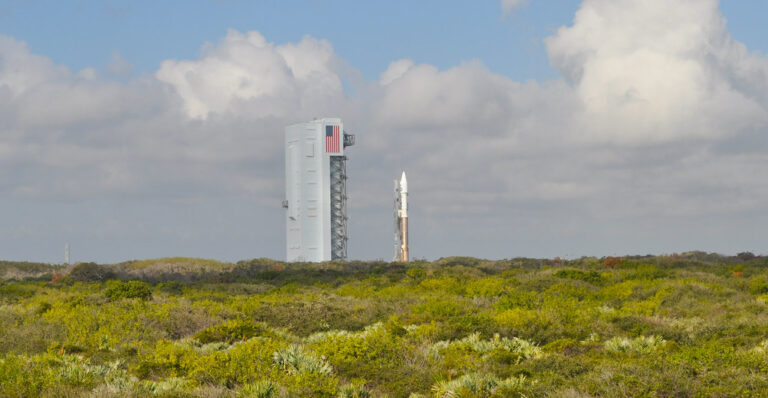
Arianespace Mission is making headlines as it successfully takes Amazon Leo to more than 400 satellites. This milestone highlights the growing capabilities in satellite technology and deployment.
Overview of Arianespace Mission
The Arianespace Mission has recently gained attention for its significant role in the satellite launch industry, especially with the recent launch that took Amazon Leo’s satellite count to over 400. This achievement highlights Arianespace’s commitment to supporting large-scale satellite constellations that are essential for global connectivity.
As a leader in the launch services sector, Arianespace offers a range of options tailored to meet the diverse needs of its clients. The company utilizes various launch vehicles, such as the Ariane 5 and the upcoming Ariane 6, to accommodate different payload sizes and orbits. This flexibility is a key factor in their ability to handle numerous satellite launches, making them a preferred choice for many organizations.
Additionally, Arianespace’s expertise in mission planning and execution ensures that satellite deployments are carried out efficiently. Their experience in launching both commercial and governmental satellites positions them as a reliable partner in the space industry.
Some of the advantages of the Arianespace Mission include:
- Reliability: Proven track record of successful launches.
- Cost-Effectiveness: Competitive pricing structures for various launch needs.
- Innovative Technology: Utilization of cutting-edge launch vehicles.
In summary, the Arianespace Mission is making significant strides in the satellite launch arena, solidifying its position as a leader in the field.
Impact of Amazon Leo on Satellite Count
The recent developments regarding Amazon’s LEO (Low Earth Orbit) project have significant implications for the overall satellite count in orbit. As the Arianespace Mission successfully launches Amazon’s satellites, the implications for the satellite industry become increasingly evident.
Amazon’s initiative aims to deploy thousands of satellites, which could dramatically alter the landscape of satellite communications. Here are some key impacts:
- Increased Competition: The entry of Amazon into the satellite market intensifies competition, particularly for traditional satellite providers like Arianespace.
- Market Saturation: With Amazon potentially launching over 400 satellites, the market could face saturation, leading to challenges in frequency management and orbital debris concerns.
- Technological Advancements: The need to keep pace with Amazon’s rapid deployment could spur innovation in satellite technology, benefiting the entire sector.
- Cost Implications: The competition could lead to reduced launch costs, as companies strive to offer attractive pricing to satellite operators.
As Arianespace Mission continues to facilitate Amazon’s satellite launches, it raises questions about the future of satellite deployment. Will the influx of new satellites enhance connectivity, or will it create more challenges than benefits? The full impact of Amazon’s LEO project on the satellite industry remains to be seen.
How Arianespace is Leading in Space
Arianespace is making significant strides in the space industry, particularly with its recent missions that support the growing satellite network, including the Amazon Leo project. This initiative has propelled the company to the forefront of satellite launches, enabling a remarkable increase in satellite count and enhancing global connectivity.
The success of the Arianespace Mission can be attributed to several key factors:
- Reliability: Arianespace has established a reputation for delivering payloads into orbit with a high degree of precision, ensuring that critical satellite launches meet their deadlines.
- Innovation: The company continually invests in advanced technologies and methodologies that optimize launch efficiency and reduce costs, making space access more attainable.
- Partnerships: Collaborations with global entities, such as Amazon, allow Arianespace to expand its service offerings and cater to a diverse range of customer needs.
- Experience: With decades of operational history, Arianespace has accumulated invaluable expertise in managing complex missions and adapting to the evolving landscape of satellite technologies.
As the demand for satellite launches continues to grow, Arianespace’s strategic approach not only positions it as a leader in the industry but also raises questions about the sustainability and scalability of its methods compared to emerging competitors. This ongoing evolution will be crucial in shaping the future of satellite deployment.
The Future of Satellite Technology
The future of satellite technology is rapidly evolving, and companies like Arianespace are at the forefront of this transformation. As the demand for satellite launches increases, innovative approaches are becoming paramount. Arianespace Mission exemplifies this shift, demonstrating a commitment to efficiency and reliability in delivering payloads to orbit.
One significant trend in satellite technology is the rise of megaconstellations. These large networks of satellites aim to provide global internet coverage and other services. With the launch of Amazon’s Project Kuiper, which aims to deploy over 3,000 satellites, the landscape is becoming more competitive. Arianespace is positioned to play a vital role in supporting these ambitious projects.
Key factors influencing the future of satellite technology include:
- Miniaturization: Smaller satellites are becoming more powerful, allowing for greater data collection and communication capabilities.
- Cost Efficiency: Advances in manufacturing and launch technologies are driving down costs, making satellite deployment accessible to more organizations.
- Global Collaboration: Partnerships between private companies and governmental agencies are fostering innovation and expanding capabilities.
As the industry continues to grow, Arianespace Mission’s strategic initiatives will likely enhance its competitive edge in the satellite launch sector, ensuring it remains a key player in the future of satellite technology.
Challenges in Satellite Deployment
The Arianespace Mission has made significant strides in the satellite launch industry, but several challenges persist in the deployment of satellites. One of the primary concerns is the increasing congestion in low Earth orbit (LEO). As companies like Amazon expand their satellite constellations, the risk of collisions and space debris becomes a critical issue.
Moreover, the cost of launching satellites continues to be a major hurdle for many organizations. While Arianespace offers competitive pricing, smaller companies may still find it challenging to secure funding for satellite deployment. The high capital requirements for developing, launching, and maintaining satellite technology can deter innovation and limit access for new entrants.
Another challenge is the regulatory environment surrounding satellite launches. Different countries have varying regulations, which can complicate international collaborations. Arianespace must navigate these complexities to ensure that its missions are compliant with global standards.
Additionally, advancements in technology are continuously evolving, leading to the need for frequent updates to satellite designs. This rapid pace can result in obsolescence before satellites are even launched, raising questions about the long-term viability of current projects.
In conclusion, while the Arianespace Mission is at the forefront of satellite launches, it faces significant challenges that must be addressed to maintain its leadership. The future of successful satellite deployment will depend on overcoming these obstacles and adapting to the changing landscape of space exploration.
Success Stories from Arianespace
Arianespace has established a remarkable track record in the realm of satellite launches, showcasing a series of success stories that highlight its prowess and reliability. From its inception, the Arianespace Mission has consistently delivered innovative solutions to meet the growing demands of the space industry.
One of the standout achievements came with the launch of Amazon Leo, a project that has significantly expanded the satellite count in low Earth orbit. This successful deployment not only underscores Arianespace’s technical capabilities but also enhances global connectivity through its contribution to broadband services.
Among the notable missions, the following exemplify Arianespace’s commitment to excellence:
- Successful launches of Ariane 5: This heavy-lift vehicle has become synonymous with reliability, carrying numerous satellites into orbit, including those crucial for scientific research and telecommunications.
- Partnership with OneWeb: Arianespace played a pivotal role in launching satellites for OneWeb, which aims to provide internet access across the globe, demonstrating the potential of collaborative efforts in satellite deployment.
- Innovative solutions for small satellites: The introduction of the Vega rocket has allowed Arianespace to cater to the growing market for smaller payloads, ensuring a versatile approach to space missions.
These accomplishments not only affirm Arianespace’s leadership in the industry but also point to a promising future for satellite technology and deployment.
Conclusion on Arianespace’s Achievements
In conclusion, Arianespace’s achievements in the realm of satellite launches demonstrate a significant commitment to innovation and excellence. As the industry evolves, the Arianespace Mission has positioned itself as a frontrunner, providing reliable and efficient launch services that meet the growing demands of satellite operators worldwide.
The successful deployment of Amazon Leo’s satellites further highlights Arianespace’s operational capabilities. With over 400 satellites launched, their ability to support large-scale projects showcases their expertise and strategic vision. This success is not merely a reflection of the number of satellites but also underscores the quality and reliability of their launch vehicles.
As the market for satellite technology continues to expand, Arianespace faces both opportunities and challenges. The increasing number of satellite constellations presents a unique landscape that requires adaptability and foresight. However, Arianespace has consistently demonstrated its ability to navigate these complexities through successful missions.
Moreover, their collaboration with various stakeholders, including commercial entities and governmental organizations, has reinforced their position as a leader in the space industry. Arianespace’s commitment to sustainability and innovation further enhances its reputation and appeal.
In summary, Arianespace’s ongoing mission not only sets a benchmark for future satellite launches but also inspires confidence in the potential of space exploration and technology. Their achievements signify a promising future for satellite deployment and the broader aerospace industry.
The Arianespace Mission has been a cornerstone in the evolution of satellite launch technology. As countries and companies explore new frontiers, the Arianespace Mission continues to set a high standard for reliability and efficiency.
By James Webb Space Telescope via Openverse
References
Silicon Deal AI Spending: Is It the Best Route for Growth? · Motorola Android 17 Update: Best Proven Features Revealed · Tech stocks decline: The Worst Impact on Investors’ Trust
About the Author