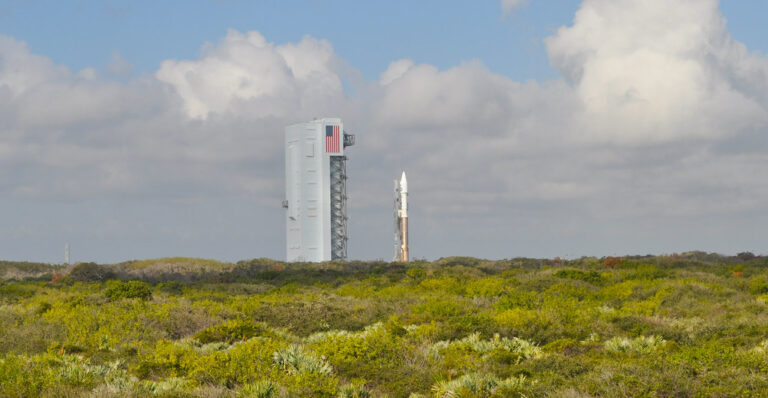
Greek technology in space is taking a giant leap forward as the European Space Agency (ESA) embarks on a groundbreaking mission. This initiative highlights Greece’s growing presence in the aerospace sector.
Overview of the ESA mission
The European Space Agency (ESA) has recently launched a mission that showcases the remarkable advancements in Greek technology in space. This initiative aims to enhance our understanding of various cosmic phenomena and demonstrates the significant contributions made by Greek scientists and engineers.
The mission, which commenced with a successful lift-off from the Guiana Space Centre, involves a state-of-the-art satellite equipped with innovative instruments developed by Greek firms. These instruments are designed to collect invaluable data on atmospheric conditions, planetary surfaces, and cosmic radiation.
Key components of the mission include:
- Advanced Imaging Systems: Utilized for capturing high-resolution images of celestial bodies.
- Data Processing Units: Engineered to analyze and transmit data back to Earth efficiently.
- Weather Monitoring Tools: Designed to study the impact of space weather on satellite operations.
This mission not only highlights the capabilities of Greece in the aerospace sector but also fosters collaboration among European nations in the pursuit of scientific knowledge. As the satellite begins its journey, experts are optimistic about the potential discoveries that could arise from this groundbreaking endeavor.
Impact of Greek technology on space exploration
The impact of Greek technology on space exploration is becoming increasingly significant, especially with the recent ESA mission showcasing innovative advancements. Greek researchers and engineers have been pivotal in developing cutting-edge technologies that enhance our understanding of the cosmos.
One of the standout contributions is in the field of satellite design and manufacturing. Greek technology has enabled the creation of lightweight, durable materials that are essential for spacecraft. These materials help improve fuel efficiency and overall performance, allowing missions to extend their reach further into space.
Additionally, Greek scientists have made strides in the area of data processing and analysis. Their work in algorithm development has improved the accuracy of data collected from space missions, providing valuable insights into planetary systems and cosmic phenomena. This capability is crucial for future explorations and contributes to the global knowledge base of space science.
Moreover, collaborations between Greek institutions and international space agencies have fostered a spirit of innovation. Such partnerships not only enhance Greece’s reputation in the field of space technology but also contribute to the success of international missions that rely on the expertise and resources provided by Greek technology in space.
As these advancements continue to unfold, the future of Greek technology in space exploration looks promising.
Future prospects for Greece in the aerospace sector
The future prospects for Greece in the aerospace sector appear promising, especially with the recent advancements in Greek technology in space. As the European Space Agency (ESA) continues to expand its missions, Greece is poised to play a significant role in the evolving landscape of space exploration.
Several factors contribute to the optimism surrounding Greek technology:
- Investment in Research and Development: Increased funding for aerospace research initiatives is fostering innovation and encouraging collaborations between universities and private companies.
- Strategic Partnerships: Greece’s involvement in ESA missions allows for knowledge exchange and skill enhancement, positioning the country as a key player in international aerospace projects.
- Emerging Startups: A growing number of startups are focusing on aerospace technologies, developing solutions that range from satellite communications to advanced propulsion systems.
- Talent Pool: Greece’s educational institutions are producing a skilled workforce equipped with the expertise necessary to drive advancements in the aerospace sector.
As these elements continue to align, the potential for Greek technology in space will not only contribute to national pride but also enhance Greece’s competitiveness in the global aerospace market.
Key innovations driving the mission forward
The recent ESA mission showcases several key innovations that are propelling Greek technology in space to new heights. These advancements underscore Greece’s growing role in the aerospace sector and highlight its contributions to international space exploration.
- Advanced Satellite Communication Systems: Greek engineers have developed cutting-edge communication platforms that enhance data transmission efficiency between Earth and orbiting satellites. This technology ensures reliable connections during critical mission phases.
- Innovative Propulsion Mechanisms: Utilizing eco-friendly propulsion technology, Greek scientists are pioneering methods that reduce fuel consumption while maximizing thrust. This innovation plays a vital role in extending the longevity and operational capacity of spacecraft.
- Robust Sensor Technologies: The mission leverages advanced sensor systems designed by Greek tech firms, which are capable of gathering and processing vital data from space environments. These sensors provide invaluable insights for scientific research and future missions.
- Collaborative Research Initiatives: Greek universities and institutions are actively partnering with international organizations to foster research and development in space technology. This collaboration enhances the exchange of knowledge and accelerates innovation.
As these key innovations take center stage, they not only drive the mission forward but also position Greece as a formidable player in the global aerospace landscape.
Recent advancements showcase how Greek technology in space is contributing to innovative satellite designs. The collaboration between local universities and the European Space Agency emphasizes the importance of Greek technology in space for future missions.
By europeanspaceagency via Openverse
Where this came from
Related stories
- Ariane 64 rocket launch: Is it the best way to send satellites?
- Tesla FSD v15: Is It the Best Upgrade for Drivers?
- Scientific discovery mistakes: Honest revelations from experts
About the Author