AMD Helion Racks features 73,728 threads across three variants, showcasing advanced technology in the computing space.
What are AMD Helion Racks?
AMD Helion Racks represent a significant advancement in computing technology, designed to meet the growing demands of data centers and high-performance computing environments. These cutting-edge racks are equipped with powerful processors that enable unprecedented processing capabilities.
Each AMD Helion Rack can support an impressive 73,728 threads, making them ideal for a wide range of applications, from scientific research to complex simulations. This remarkable threading capability ensures optimal performance, allowing multiple tasks to be executed simultaneously without compromising speed or efficiency.
There are three distinct variants of AMD Helion Racks available, each tailored to meet specific operational needs:
- Standard Variant: Ideal for general-purpose computing and moderate workloads.
- High-Performance Variant: Designed for intensive tasks, such as large-scale data analysis and machine learning.
- Enterprise Variant: Built for enterprise-level applications that require robust performance and reliability.
While detailed pricing information for AMD Helion Racks remains undisclosed, experts anticipate that their innovative features will justify the investment for organizations seeking to enhance their computational capabilities. By leveraging these advanced racks, businesses can stay ahead in a competitive landscape, optimizing operations and driving technological innovation.
Key Features of AMD Helion Racks
The AMD Helion Racks come equipped with a variety of features that set them apart in the competitive landscape of computing technology. These advanced racks are designed to deliver exceptional performance and scalability, making them suitable for a range of applications.
- Massive Thread Count: With an astonishing 73,728 threads, the AMD Helion Racks can handle multiple workloads simultaneously, ensuring efficient processing and reduced latency.
- Customizable Variants: Available in three different variants, users can select the model that best fits their specific needs, whether for data centers, AI processing, or cloud computing.
- Energy Efficiency: Designed with energy consumption in mind, AMD Helion Racks optimize performance while minimizing operational costs, making them an environmentally friendly choice.
- Advanced Cooling Solutions: The racks incorporate state-of-the-art cooling technologies, which help maintain optimal operating temperatures even under peak loads, thereby enhancing reliability and longevity.
- Seamless Integration: AMD Helion Racks are built to integrate effortlessly into existing infrastructures, allowing for quick deployment and minimal disruption to ongoing operations.
In summary, the AMD Helion Racks offer a combination of high performance, flexibility, and efficiency, making them a leading choice for organizations looking to enhance their computational capabilities.
Performance Comparison with Other Racks
When evaluating the performance of AMD Helion Racks against other leading rack options in the market, several key metrics emerge. Users often cite processing power, energy efficiency, and scalability as critical factors influencing their decisions.
One of the standout features of AMD Helion Racks is their ability to handle an impressive 73,728 threads, which significantly enhances computational capability compared to traditional racks. This capacity allows for more efficient multitasking and accelerates data processing tasks, making them ideal for high-performance computing environments.
In terms of energy efficiency, AMD Helion Racks utilize cutting-edge technology that reduces power consumption without compromising performance. This is particularly important for businesses looking to minimize operational costs while maximizing output.
When compared to competitors, AMD Helion Racks often excel in scalability. Many users appreciate the modular design, which allows for easy upgrades and expansions as organizational needs evolve. In contrast, some conventional racks may require extensive overhauls to accommodate additional resources.
Overall, the performance of AMD Helion Racks positions them as a leading choice for enterprises seeking reliable and high-performing computing solutions. By integrating advanced technology with user-friendly design, these racks offer a compelling option for businesses at the forefront of innovation.
Understanding the Variants of AMD Helion Racks
When exploring the AMD Helion Racks, it is essential to understand the different variants available, each catering to specific needs and operational requirements. The three primary models offer unique specifications and capabilities, ensuring flexibility for various workloads.
- Standard Variant: This model is designed for general-purpose applications, providing a balanced performance for a wide array of tasks. It features an optimal combination of threads and cores, making it suitable for enterprises looking to enhance their computational power without overwhelming complexity.
- High-Performance Variant: Tailored for demanding environments, this variant excels in high-throughput scenarios, offering superior processing capabilities. Ideal for data-intensive tasks, it leverages advanced cooling technologies and enhanced memory bandwidth to ensure stability and efficiency during peak operations.
- Energy-Efficient Variant: This model focuses on reducing power consumption while maintaining competitive performance levels. It is perfect for organizations aiming to minimize their carbon footprint, featuring optimized energy usage without sacrificing the processing capabilities required for modern applications.
Each of these variants of AMD Helion Racks is developed with specific user needs in mind, allowing businesses to select the most appropriate model for their operational goals. With the right choice, organizations can harness the full potential of these racks to drive innovation and efficiency.
Why Choose AMD Helion Racks?
As organizations seek to enhance their computing capabilities, the choice of infrastructure becomes crucial. AMD Helion Racks stand out as a top choice for many reasons, making them a smart investment for businesses looking to optimize their operations.
Firstly, the scalability of AMD Helion Racks allows companies to expand their computing resources seamlessly. With the ability to handle up to 73,728 threads, these racks offer unparalleled performance that can be tailored to meet the specific needs of different workloads.
Secondly, the energy efficiency of these racks is a significant advantage. Businesses looking to minimize operational costs will appreciate the reduced power consumption without compromising performance. This not only leads to savings but also aligns with sustainability goals.
Furthermore, the innovative architecture of AMD Helion Racks enhances data handling and processing speeds. Organizations can expect quicker response times, which is crucial in today’s fast-paced business environment.
Reliability is another key factor. With a proven track record, AMD Helion Racks are designed to ensure consistent uptime, further solidifying their position as a dependable choice for critical applications.
In summary, choosing AMD Helion Racks means investing in a robust, efficient, and scalable solution that meets the demands of modern computing. The combination of performance, energy savings, and reliability makes them an ideal choice for organizations aiming for technological excellence.
Industry Applications of AMD Helion Racks
The versatility of AMD Helion Racks makes them suitable for a wide range of industry applications. Their advanced architecture and powerful performance capabilities allow them to excel in various sectors, driving innovation and efficiency.
One of the primary industries leveraging AMD Helion Racks is the cloud computing sector. With the demand for scalable and efficient cloud solutions increasing, these racks provide the necessary computational power to handle vast amounts of data while ensuring reliability and speed.
Additionally, the gaming industry has also embraced AMD Helion Racks, utilizing their capabilities to enhance server performance for online gaming platforms. The ability to manage numerous simultaneous connections and provide low-latency experiences is crucial for game developers and players alike.
Another significant application is in artificial intelligence and machine learning. The high thread count and processing power of AMD Helion Racks enable organizations to conduct complex computations and training of AI models more efficiently, significantly reducing the time required for data analysis and model development.
Furthermore, sectors such as financial services and healthcare are increasingly relying on these racks to support intensive data processing tasks, ensuring that they can meet regulatory requirements while maintaining performance.
In summary, the broad adaptability of AMD Helion Racks positions them as a vital tool across various industries, driving technological advancement and operational growth.
User Experiences with AMD Helion Racks
Users across various industries have begun sharing their experiences with AMD Helion Racks, highlighting both the advantages and challenges they have encountered. Many users praise the robust performance and reliability of these racks, especially in demanding computational environments.
One user from the tech sector reported that the AMD Helion Racks significantly improved their workload efficiency, stating, “The processing power is unmatched, allowing us to handle multiple tasks simultaneously without any lag.” This sentiment is echoed by many who appreciate the ability to run complex simulations and data analyses seamlessly.
On the other hand, some users have noted initial setup challenges. A user in the gaming industry mentioned, “While the performance is stellar, getting everything configured took longer than expected.” This highlights the need for comprehensive setup guides and support for new users.
The scalability of AMD Helion Racks has also been a key talking point. Users have found that as their needs grow, these racks can be expanded easily, providing a future-proof solution. One user remarked, “We are thrilled with how adaptable the racks are; they grow with our business demands.”
Overall, user feedback on AMD Helion Racks is overwhelmingly positive, with many recommending them for organizations seeking high-performance computing solutions. The technology represents a significant advancement in rack design, providing both power and flexibility.
Future of AMD Helion Technology
The future of AMD Helion technology looks promising as advancements in computing continue to reshape industries. With the rapid evolution of data centers and enterprise solutions, AMD Helion Racks are positioned to play a crucial role in meeting the increasing demand for performance and efficiency.
As organizations seek to optimize their operations, the scalability and flexibility of AMD Helion Racks will become even more essential. These racks are designed to support a diverse range of workloads, which will allow businesses to adapt quickly to shifting technological needs.
In the coming years, we can anticipate several key trends in the development of AMD Helion technology:
- Increased Integration: Future AMD Helion Racks are expected to incorporate more advanced integration technologies, reducing the physical footprint and enhancing overall performance.
- Enhanced AI Capabilities: With the rise of artificial intelligence, AMD Helion Racks are likely to introduce features that optimize AI workloads, making them even more efficient for data processing.
- Focus on Sustainability: As environmental concerns grow, future iterations of AMD Helion technology may prioritize energy efficiency, reducing carbon footprints while maintaining high performance.
- Collaborative Innovations: Partnerships with software developers and technology companies will likely lead to enhanced compatibility and new features for AMD Helion Racks.
Overall, the trajectory of AMD Helion technology indicates a commitment to innovation, making it a staple in the future of computing.
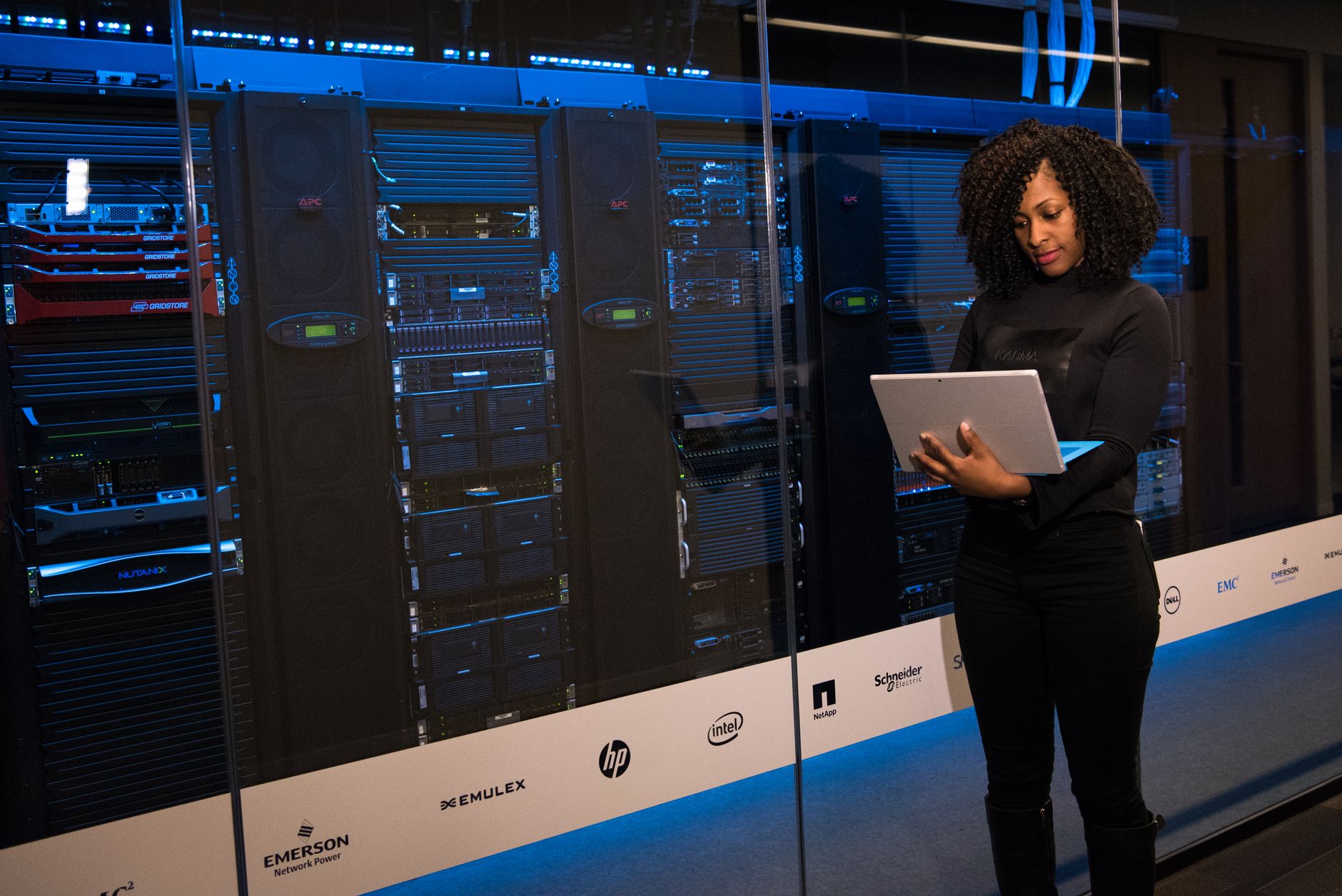
Photo by Christina Morillo on Pexels
References
Related stories
- Zinc-iodine battery: Is it the Best Proven Energy Solution?
- SpaceX Starship launch: Is it the safest method proven?
- tvOS HomePod update: Is it the Best Siri AI Upgrade?
About the Author