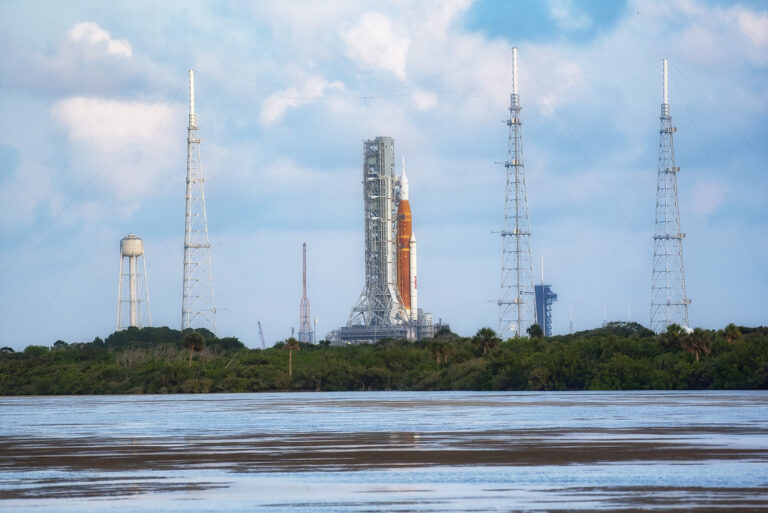
The Nuri rocket launch marks a significant milestone in South Korea’s space endeavors, showcasing the Nuri rocket launch as a pivotal event in the nation’s aerospace development.
Overview of the Nuri Rocket
The Nuri rocket, South Korea’s flagship launch vehicle, has made significant strides since its first mission. Designed to enhance the country’s capabilities in space exploration, the Nuri rocket is a three-stage vehicle that can carry payloads of up to 1.5 tons to low Earth orbit. Its recent launches have showcased the advancements in technology and engineering that South Korea has achieved in the aerospace sector.
One of the standout features of the Nuri rocket is its ability to integrate advanced technologies, which have been pivotal in achieving successful launches. The rocket employs a combination of locally manufactured components and state-of-the-art systems to ensure reliability and efficiency.
The latest launch, which took place in clear skies, has further solidified the Nuri rocket’s reputation as a dependable vehicle for space missions. As the private sector expands its role in production and launch support, South Korea is poised to enhance its presence in the global space arena.
- Three-stage design for increased payload capacity
- Integration of advanced technologies
- Collaboration with private sector for future missions
Significance of the 5th Launch
The fifth launch of the Nuri rocket marks a significant milestone for South Korea’s burgeoning space program. This successful mission not only demonstrates the reliability of the Nuri rocket but also emphasizes the growing partnership between the government and private sector in advancing aerospace technology.
With each launch, South Korea has gained valuable insights into rocket design and operation, enhancing its capabilities in satellite deployment and space exploration. The Nuri rocket launch showcases the nation’s commitment to becoming a key player in global space endeavors.
The implications of this launch extend beyond mere technical success. The involvement of private companies in the production and launch processes signals a shift towards a more collaborative approach in the aerospace sector. This is likely to lead to innovation, reduce costs, and increase the frequency of launches.
As South Korea continues to refine its space technology, the fifth Nuri rocket launch solidifies the country’s trajectory toward achieving its long-term goals in space exploration and satellite technology.
Private Sector’s Role in Space
The recent Nuri rocket launch has highlighted the growing involvement of the private sector in South Korea’s space endeavors. As the nation continues to strengthen its space program, private companies are increasingly playing a crucial role in both the production and launch processes.
Industry experts believe that this collaboration can accelerate advancements in technology and innovation. The participation of private firms not only enhances competitiveness but also helps in reducing costs associated with space missions. Key players in the private sector have been instrumental in developing components and systems that contribute to the success of projects like the Nuri rocket.
Furthermore, the government has introduced various initiatives to foster partnerships between public institutions and private enterprises. These efforts aim to create a more robust ecosystem that supports both research and commercial space activities.
As the Nuri rocket launch demonstrates, the integration of private sector capabilities is vital for the future of South Korea’s space exploration ambitions, paving the way for further achievements in the realm of aerospace.
Future of South Korean Space Missions
As South Korea continues to advance its space ambitions, the future of South Korean space missions looks promising following the recent Nuri rocket launch. The successful deployment of the Nuri rocket marks a pivotal moment, showcasing the nation’s growing capabilities in space technology and exploration.
In the coming years, South Korea plans to expand its focus on both satellite launches and interplanetary missions. Key goals include:
- Developing next-generation launch vehicles that can carry heavier payloads.
- Enhancing collaboration with international space agencies.
- Investing in research and development to foster innovation in space technologies.
Moreover, the increasing involvement of the private sector is expected to accelerate advancements in various aspects of space exploration. As companies step up to support satellite production and launch operations, the synergy between government and private entities will likely yield significant benefits.
With the foundation laid by the Nuri rocket launch, South Korea is poised to become a key player in the global space industry, exploring new frontiers and pushing the boundaries of science and technology.
Technical Details of the Nuri Rocket
The Nuri rocket, a testament to South Korea’s advancing space technology, showcases several impressive technical features that contribute to its successful launches. Designed primarily for placing payloads into low Earth orbit, the Nuri rocket stands at approximately 47.2 meters tall and has a launch weight of around 200 tons.
One of the standout aspects of the Nuri rocket is its three-stage propulsion system, which utilizes a combination of liquid and solid fuel. This design allows for efficient thrust and precise maneuverability during ascent. The first stage is powered by four clustered engines, while the second stage features a single engine optimized for high-altitude performance.
Additionally, the Nuri rocket incorporates advanced telemetry and control systems that ensure real-time monitoring and adjustments during flight. This technological sophistication not only enhances the reliability of each launch but also emphasizes the growing capabilities of South Korea’s space program.
As the Nuri rocket launch continues to demonstrate success, it sets the stage for future missions that could include satellite deployments and potential interplanetary exploration.
Public Reaction to the Launch
The recent Nuri rocket launch has sparked a wave of excitement among the South Korean public, with many citizens taking to social media to express their pride in the nation’s achievements in space exploration. As the rocket sliced through the cloudless sky, onlookers gathered at various viewing points to witness the historic moment, showcasing a growing national interest in advancements in technology and science.
Many people shared their reactions online, emphasizing the significance of the event. “This is a monumental step for South Korea,” wrote one user, while another commented, “I can’t believe how far we’ve come in our space program.” The success of the Nuri rocket launch has not only united citizens in celebration but also fueled discussions about future missions and the potential for South Korean innovation in the global space arena.
Local educational institutions are seizing the opportunity to inspire young minds by incorporating space science into their curricula. “The Nuri rocket launch is a clear signal that we can dream big,” said a high school science teacher, encouraging students to consider careers in science and engineering.
Comparing Nuri with Global Rockets
The success of the Nuri rocket launch has positioned South Korea among the ranks of nations with advanced space capabilities. When comparing the Nuri rocket with its global counterparts, several key factors emerge.
- Payload Capacity: Nuri boasts a payload capacity that is competitive with established rockets like the European Ariane 5 and the American Falcon 9.
- Launch Frequency: South Korea has increased its launch frequency, aiming to catch up with countries like India and Japan, which have more frequent missions.
- Innovation: The Nuri’s design incorporates innovative technology, enabling lower production costs and improved reliability.
- Private Sector Involvement: Unlike many traditional space programs, the Nuri rocket launch has seen significant collaboration with private companies, enhancing the speed of development and responsiveness to market needs.
As South Korea continues to develop its space ambitions, the Nuri rocket serves as a key asset, representing both the country’s technological advancements and its aspirations to become a major player in the global space industry.
Next Steps for South Korea’s Space Program
As South Korea celebrates the successful Nuri rocket launch, the nation is poised to take significant steps forward in its space program. The achievement marks a pivotal moment, showcasing the country’s growing capabilities and ambitions in space exploration.
Moving ahead, South Korea plans to enhance its collaboration with international space agencies, aiming to participate in joint missions that could expand scientific research opportunities. The government is also looking to invest in advanced technologies that will further improve the reliability and efficiency of future launches.
Key initiatives include:
- Increased Funding: Allocating more resources to research and development in aerospace technologies.
- Public-Private Partnerships: Encouraging collaboration between government entities and private companies to foster innovation.
- Educational Programs: Initiating programs to train the next generation of engineers and scientists in aerospace fields.
With the Nuri rocket launch proving successful, South Korea’s space program is set to embark on a new chapter, aiming for further achievements and exploration in the coming years.
References
You might also like
- iPhone 18 Release Schedule: The Best Proven Timeline Revealed
- XRP Ledger fix: Is This the Best Update Ever?
- Vivo S2 FE features: The Best Key Specs You Need to Know
About the Author