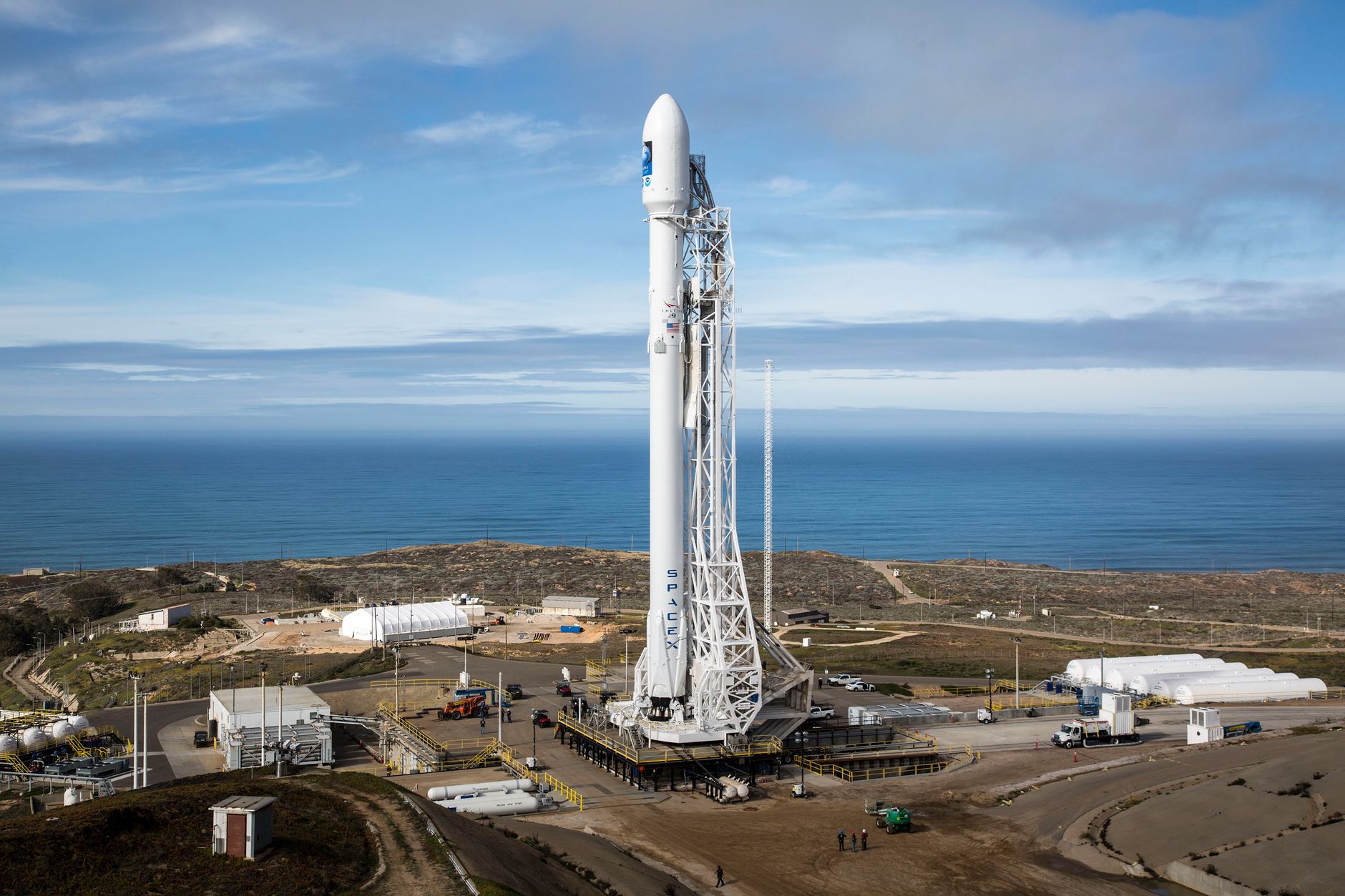
SpaceX Falcon 9 mission achieved a significant milestone with the launch of the final three O3b mPOWER satellites, marking its 700th flight.
Overview of the Falcon 9 Mission
The SpaceX Falcon 9 mission has revolutionized the landscape of space transportation since its inception. Known for its reusability and cost-effectiveness, the Falcon 9 rocket has successfully completed numerous missions, solidifying its reputation as a reliable launch vehicle.
Recently, SpaceX achieved a significant milestone by launching the final three O3b mPOWER satellites, marking the 700th flight of the Falcon 9. This accomplishment underscores the rocket’s capabilities and the company’s commitment to advancing satellite internet technology.
The Falcon 9 is designed with a two-stage configuration, allowing it to carry a variety of payloads into different orbits. Its first stage is notable for its ability to return to the launch site or land on autonomous droneships in the ocean, which significantly reduces costs associated with space launches.
Key features that contribute to the success of the Falcon 9 mission include:
- Reusability: The first stage can be reused multiple times, which lowers the overall cost of access to space.
- Versatility: The rocket is capable of delivering payloads ranging from satellites to International Space Station resupply missions.
- Innovation: Continuous improvements in technology and engineering ensure high reliability and efficiency.
As SpaceX continues to push the boundaries of space exploration, the Falcon 9 mission remains at the forefront of modern aerospace achievements.
Significance of the 700th Launch
The significance of the 700th launch of the SpaceX Falcon 9 mission cannot be overstated, marking a monumental milestone in the history of space exploration and commercial satellite deployment. This achievement underscores the reliability and efficiency of the Falcon 9 rocket, which has become a cornerstone of modern space travel and satellite communication.
With each launch, SpaceX has demonstrated its ability to reduce costs while increasing access to space. The successful deployment of the final three O3b mPOWER satellites during this milestone event highlights the growing demand for high-speed internet services in remote areas worldwide. The O3b mPOWER constellation is designed to deliver enhanced connectivity, providing a vital resource for businesses and communities that are underserved by traditional internet infrastructure.
Moreover, the 700th Falcon 9 mission showcases SpaceX’s commitment to innovation and engineering excellence. The company has consistently pushed the boundaries of what is possible in aerospace technology, achieving unprecedented reusability with its rockets. As a result, the Falcon 9 has transformed the launch industry, setting a new standard for future missions.
As we look ahead, the implications of this achievement extend beyond just commercial applications. The ongoing success of the Falcon 9 mission paves the way for ambitious projects, including crewed missions to Mars and deep space exploration, reaffirming SpaceX’s role as a leader in the new era of space travel.
Details on O3b mPOWER Satellites
The recent launch of the final three O3b mPOWER satellites marked a significant achievement for the SpaceX Falcon 9 mission, highlighting the ongoing advancements in satellite technology and connectivity.
The O3b mPOWER system is designed to enhance internet connectivity for remote and underserved regions, providing high-speed, low-latency services through a constellation of satellites in medium Earth orbit. This innovative approach aims to bridge the digital divide and support various sectors, including maritime, aviation, and telecommunications.
Key features of the O3b mPOWER satellites include:
- High Capacity: Each satellite can deliver extensive bandwidth, catering to a growing demand for data.
- Low Latency: Positioned closer to Earth, these satellites minimize transmission delays, ensuring a seamless user experience.
- Scalability: The system can easily expand to accommodate future demands and technological advancements.
During the SpaceX Falcon 9 mission, the deployment of these satellites was executed flawlessly, showcasing the reliability and efficiency of the Falcon 9 rocket. As the final trio joins the existing constellation, the O3b mPOWER network is poised to significantly improve global internet access.
This milestone represents not only a technological triumph but also a step forward in making connectivity accessible to all.
Future of SpaceX Launches
The future of SpaceX launches looks promising as the company continues to innovate and expand its capabilities. With the successful completion of the Falcon 9 mission carrying the final three O3b mPOWER satellites, SpaceX is poised to redefine the landscape of space transportation.
As we look ahead, several key factors will influence the trajectory of SpaceX launches:
- Increased Launch Frequency: With each successful Falcon 9 mission, SpaceX demonstrates its ability to launch more frequently, aiming to meet the growing demand for satellite deployment and space exploration.
- Technological Advancements: The development of the Starship program indicates SpaceX’s commitment to pushing the boundaries of space travel. This will enhance payload capacity and reduce costs, making space more accessible.
- Global Partnerships: SpaceX continues to forge partnerships with international space agencies and private companies, expanding its reach and influence in the global space industry.
- Commitment to Sustainability: SpaceX is also focused on reducing the environmental impact of its launches. The company is exploring more sustainable fuel options and practices to ensure that space exploration can be conducted responsibly.
As SpaceX continues to pioneer new frontiers, the Falcon 9 mission remains at the core of its launch strategy, solidifying its position as a leader in the aerospace sector.
Technological Innovations in SpaceX
SpaceX has consistently pushed the boundaries of aerospace technology, particularly with its Falcon 9 mission. This rocket has become a cornerstone of modern space exploration and commercial satellite deployment, showcasing numerous technological advancements that enhance its efficiency and reliability.
One of the most significant innovations is the reusability of the Falcon 9’s first stage. This capability not only reduces launch costs but also increases the frequency of missions. The use of advanced composites and improved engines has allowed SpaceX to optimize the rocket’s performance, enabling it to carry heavier payloads into orbit.
Additionally, the integration of autonomous drone ships for landing has revolutionized recovery procedures. These ships enable the Falcon 9 to land safely at sea, making it possible for the rocket to be reused multiple times. This system is complemented by advanced navigation technology that ensures precision during landing maneuvers.
Moreover, the Falcon 9’s rapid turnaround time between launches is a testament to SpaceX’s innovative approach to manufacturing and operations. By streamlining processes and employing vertical integration, the company can prepare rockets for new missions in a matter of weeks.
As the space industry evolves, the Falcon 9 mission continues to set the standard for technological excellence, proving that innovation and sustainability can go hand in hand in shaping the future of space exploration.
Challenges Faced During Launch
The SpaceX Falcon 9 mission, while celebrated for its remarkable successes, has not been without its challenges during launches. Each mission presents unique hurdles that the SpaceX team must navigate to ensure a flawless operation.
One of the primary challenges involves weather conditions. Launch windows are often constrained by adverse weather, including high winds and thunderstorms, which can lead to delays. SpaceX employs a dedicated meteorological team to monitor conditions closely, providing real-time updates that inform launch decisions.
Another significant challenge is the complexity of coordinating multiple payloads. For the final three O3b mPOWER satellites, meticulous planning was required to ensure that each satellite was deployed successfully and in the correct orbit. This involves precise calculations and timing, as even minor errors can lead to costly mistakes.
Additionally, the Falcon 9 mission faces technical challenges. Each rocket launch is a culmination of intricate engineering and technology, which must function correctly under immense pressure. Any anomaly can jeopardize the mission, making thorough pre-launch checks and simulations crucial.
Despite these challenges, SpaceX’s experience and innovative solutions have allowed them to overcome obstacles consistently. Their ability to adapt and respond swiftly ensures that each Falcon 9 mission continues to build on the legacy of reliability and efficiency.
Reactions from the Space Community
The recent SpaceX Falcon 9 mission has garnered significant reactions from the space community, reflecting the excitement and pride surrounding this milestone event. Industry experts and enthusiasts alike have expressed their admiration for SpaceX’s continued ability to push the boundaries of space exploration.
- Positive Feedback: Many aerospace analysts highlighted the reliability of the Falcon 9 rocket, noting its impressive track record as a proven launch vehicle. “SpaceX has set the benchmark for launch reliability,” stated Dr. Emily Harris, a notable aerospace engineer.
- Community Engagement: Social media platforms exploded with congratulatory messages from various space agencies and organizations. NASA tweeted, “Congratulations to SpaceX on the successful launch of the final three O3b mPOWER satellites. A remarkable achievement!”
- Future Aspirations: Experts believe the success of the Falcon 9 mission could lead to new collaborations in the space sector. “This mission opens doors for future partnerships that can enhance global connectivity,” commented Mark Thompson, a space policy analyst.
Overall, the reactions from the space community underscore a collective sense of achievement as SpaceX continues to redefine the possibilities of space flight. The Falcon 9 mission not only marks a significant milestone but also sets the stage for future innovations and exploration efforts.
What’s Next for SpaceX?
As SpaceX continues to push the boundaries of space exploration, the future looks bright for the Falcon 9 mission program. Following the recent successful launch of the final three O3b mPOWER satellites, industry experts are eagerly anticipating what lies ahead for the company.
SpaceX has already outlined several ambitious plans for upcoming missions. Key aspects to watch include:
- Starship Development: The ongoing development of the Starship rocket is set to revolutionize space travel, enabling missions to the Moon, Mars, and beyond.
- Increased Launch Cadence: With the 700th Falcon 9 mission now complete, SpaceX aims to further increase its launch cadence, potentially conducting multiple launches in a single week.
- New Partnerships: The company is actively seeking new partnerships with governments and private entities to expand its customer base for satellite launches.
- Satellite Constellations: As the demand for global broadband connectivity rises, SpaceX’s Starlink project continues to grow, offering new opportunities for the Falcon 9 mission.
With each successful launch, SpaceX solidifies its reputation as a leader in the aerospace industry. The Falcon 9 mission has proven to be a reliable and efficient workhorse, and as the company looks to the future, its innovative spirit and commitment to excellence promise to deliver exciting advancements in space exploration.
The SpaceX Falcon 9 mission has consistently demonstrated its reliability and efficiency in launching payloads into orbit. With each successful launch, the SpaceX Falcon 9 mission solidifies its reputation as a leader in the aerospace industry.
Photo by SpaceX on Pexels
References
- AI model for decoding the Moon: Is it the Best Approach?
- iPhone 18 Pro launch: Best features and updates revealed
- Mistral funding round: Is this the best investment opportunity?
About the Author